
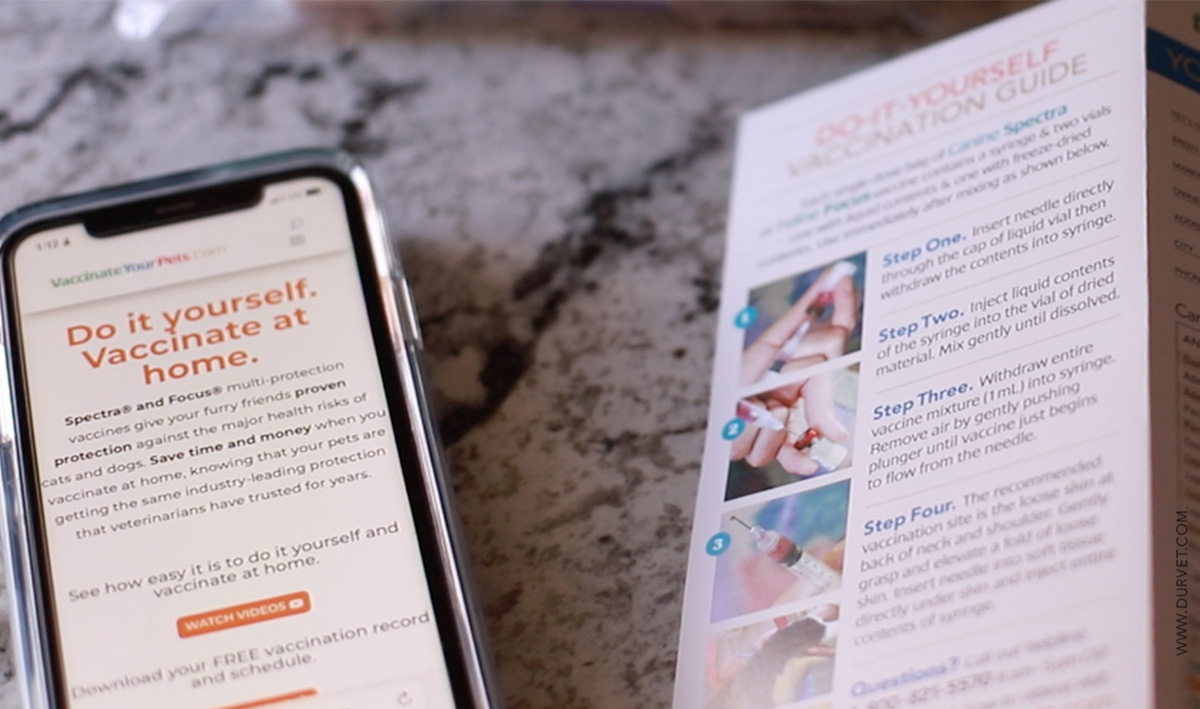
One of the first topics I discuss with pet owners who bring a new puppy to the clinic is the importance of starting—and maintaining—a proper vaccination schedule. As with many things in life, timing is everything. New owners are often overwhelmed when a puppy first comes home, and it can be easy to underestimate how critical timely vaccinations truly are. The diseases these vaccines prevent are very real, and when an unvaccinated or partially vaccinated animal becomes infected, the resulting illness can be severe and expensive to treat.
In this article, I will briefly review the clinical signs and potential consequences of these diseases when animals are not fully vaccinated. I will also address the importance of properly timing puppy and kitten vaccine series’ to help ensure a strong, protective immune response.
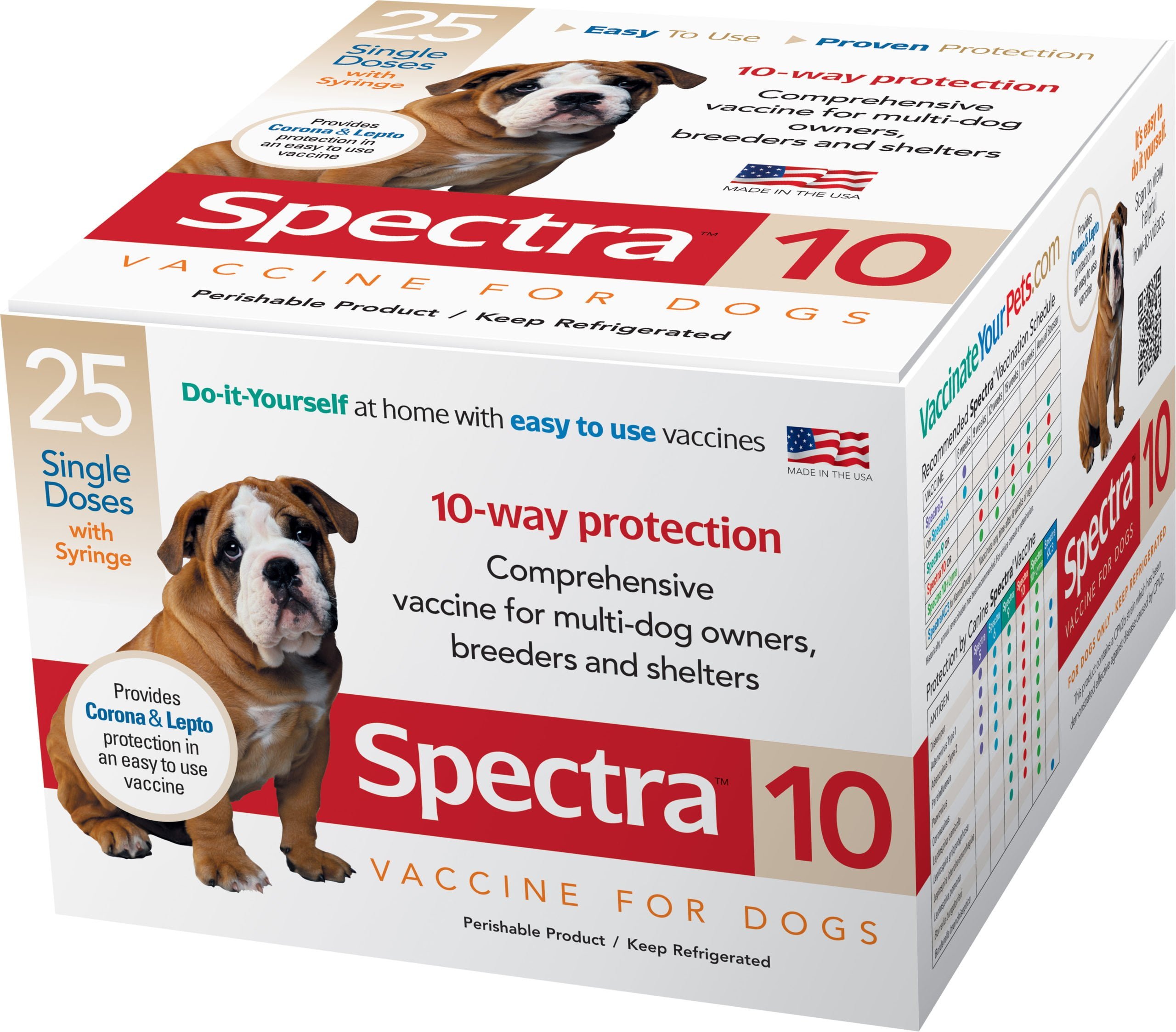
Most canine vaccines contain some combination of components to stimulate immunity against:
- Distemper
- Adenovirus (canine hepatitis)
- Parainfluenza
- Parvovirus
- Corona Virus (enteric)
- Leptospirosis
- Lyme (Borrelia burgdorferi)
- Rabies (must be given by a licensed veterinarian)
Feline vaccine combinations usually include:
- Feline viral rhinotracheitis (feline herpes virus)
- Calicivirus
- Panleukopenia
- Feline Leukemia Virus (FeLV)
- Rabies (must be given by a licensed veterinarian)
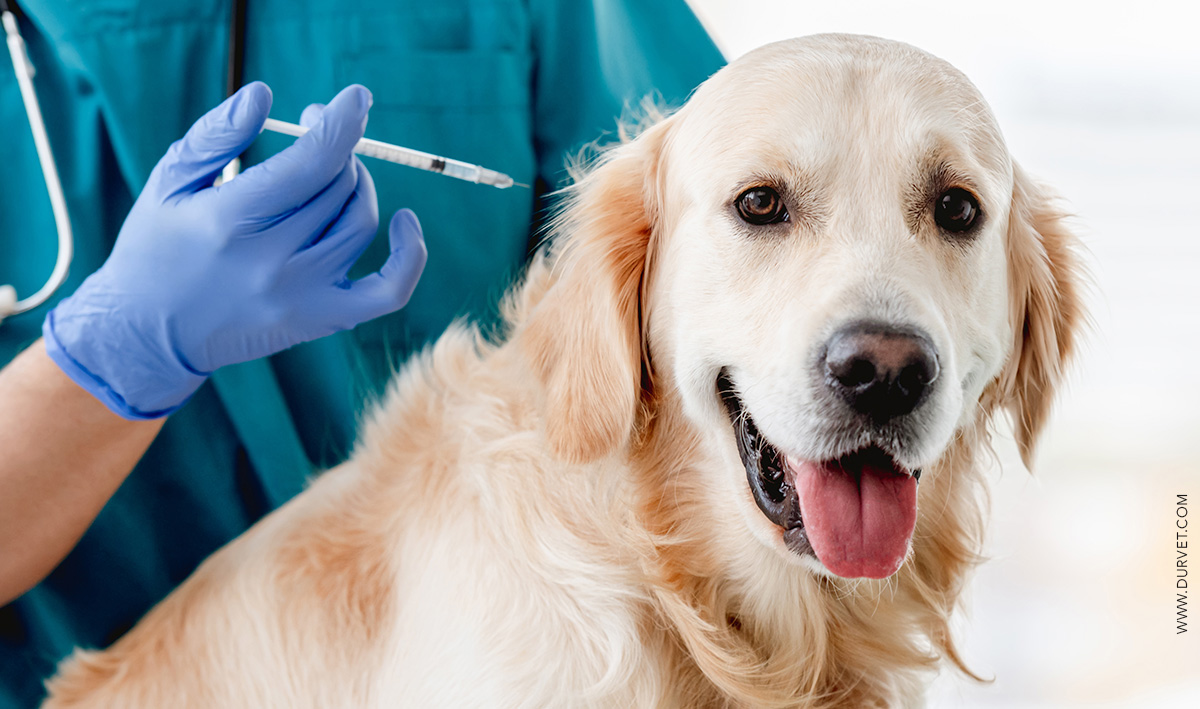
Timing of vaccines during the puppy series
Many pet owners are not aware that the timing of those early puppy and kitten vaccines is crucial in stimulating a proper immune response. When newborns take that first meal of colostrum from the dam, that colostrum is packed with maternally derived antibodies (MDAs). Those antibodies help fight infections of numerous kinds in the first weeks of life. The colostrum contains antibodies against illnesses that the dam has encountered and whose immune system has responded by producing antibodies to combat the infections. Those circulating antibodies are deposited in the colostrum shortly before the female gives birth. Each animal, depending on birth order and how aggressively they nurse, ingests different amounts of colostrum. So, even within litters, the level of passive immunity is different for each individual.
Why does this matter? It matters because maternal-derived antibodies (MDAs) can interfere with how well vaccines work. When antibody levels from colostrum are still high, the body treats the vaccine as if it were a real infection and neutralizes it. As a result, the vaccine cannot stimulate an immune response if too many MDAs are still circulating. The challenge is that we can never know the exact point at which each individual animal’s antibody levels drop low enough for vaccines to be fully effective. Even puppies within the same litter receive different amounts of antibodies in colostrum. What we do know is that MDAs begin to decline—and interfere less with vaccines—somewhere between 6 and 16 weeks of age. Puppies that received fewer maternal antibodies tend to respond to vaccines earlier, while those that received more may have higher antibody levels for longer and won’t mount a strong immune response until later. Although we cannot pinpoint the exact moment vaccines will be effective for each animal, we do know there is a window of time during which vaccination gives our pets the best chance of developing strong, lasting protection.
According to the American Animal Hospital Association (AAHA), the recommended age to initiate the puppy vaccine series is between 6 and 8 weeks. During this period, maternal antibodies acquired through colostrum may begin to decline to levels that allow vaccines to be effective; however, interference can still occur. For this reason, booster vaccinations are administered every 2–4 weeks until the puppy is at least 16 weeks of age. By 16 weeks, even puppies that received high levels of maternal antibodies are expected to have lost sufficient maternal antibody protection for the vaccine to elicit an appropriate immune response. In shelters, breeding kennels, or regions with high parvovirus prevalence, booster vaccinations are recommended until the animal reaches 16–20 weeks of age.
Most adverse events that I encounter with vaccines are reports of vaccine "failure." An overwhelming amount of these reports are simply from pet owners that stopped the vaccine series too soon, when the MDAs were still too high (unbeknownst to the pet owner) to allow the vaccine to be effective. If the owner had simply continued to booster the vaccine until the pet was at least 16 weeks old, the animal would probably be protected.
Another common cause of vaccine “failure” calls I receive are due to owners giving a vaccine when the pet has already been exposed (knowingly or unknowingly) to the infective agent and is actively incubating the virus when the vaccine is given. It must be noted that a vaccine will not prevent or treat an infection if the pet has already been exposed to the infective agent.
Lastly, vaccines should only be given to healthy animals that are not febrile or ill in any way. Any pet whose immune system is already being taxed by a concurrent illness cannot be expected to respond appropriately to a vaccine.
Pet ownership is one of life’s greatest joys, but it also comes with important responsibilities. Staying informed about proper vaccine schedules, maintaining a strong relationship with your veterinarian, and following best practices empowers owners to make confident, caring decisions, helping their pets live the happiest, healthiest lives possible.
Make sure you are prepared and knowledgeable to be able to provide the care and commitment your pet deserves.

 BACK TO MAIN BLOG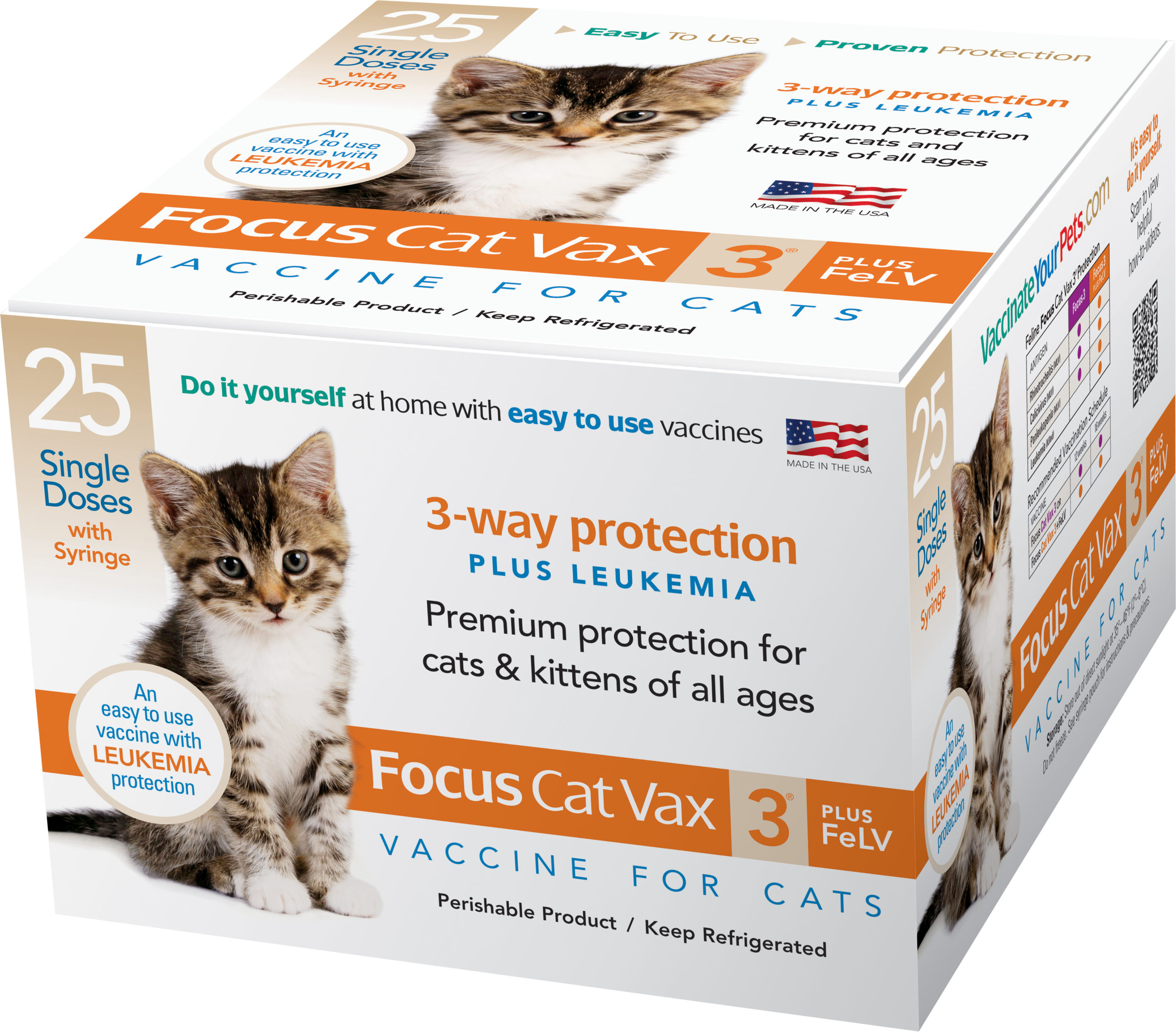

Comment