
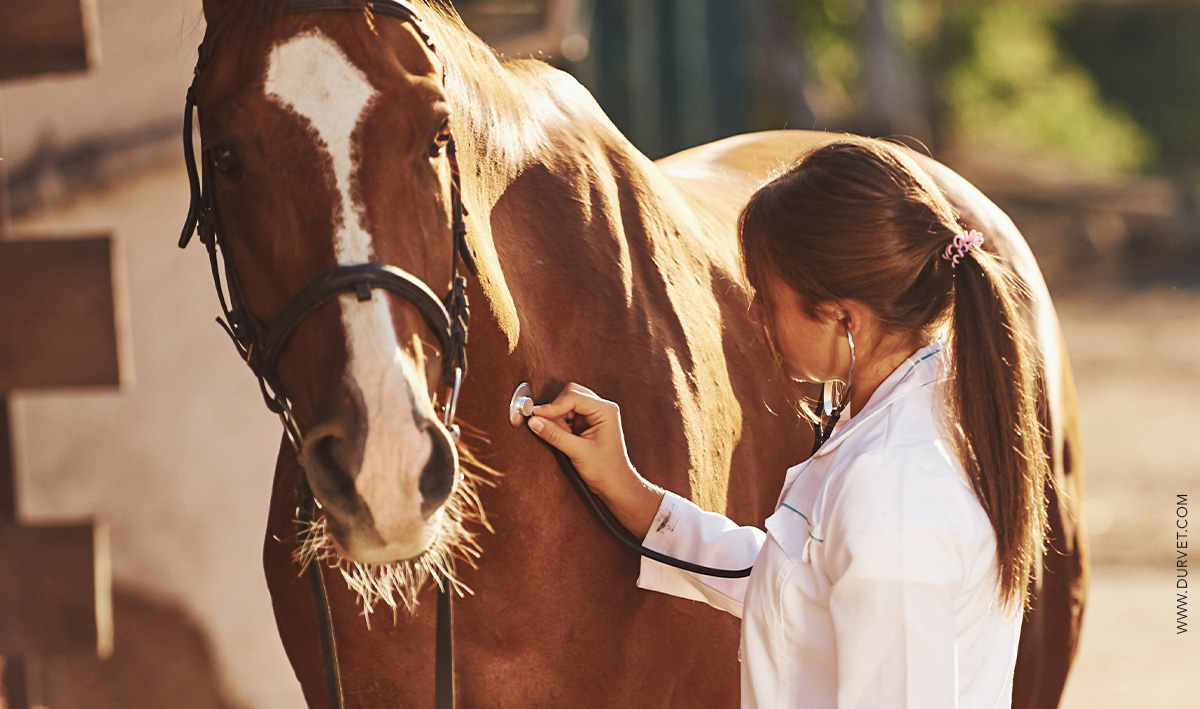
Equine Herpesvirus (EHV) is once again in the spotlight following a recent outbreak of Equine Herpes Myeloencephalopathy (EHM). This outbreak has been traced to national horse competitions held in early November 2025 in Waco, Texas. In response, many events across the country have been canceled, and horse owners are understandably asking how best to protect their horses.
EHM is caused by Equine Herpesvirus-1 (EHV-1)—and only rarely by EHV-4. EHV-1 most commonly causes self-limiting fever and upper respiratory illness in horses. In fact, most horses worldwide have been exposed to this virus at some point. Like other herpesviruses, once a horse is infected, it can carry the virus for life and sheds it intermittently, usually during times of stress.
In addition to respiratory disease, EHV-1 can cause abortions in pregnant mares and neonatal illness or death in foals. The most concerning form of the disease, however, is EHM, the neurologic manifestation. EHM occurs when the virus enters the bloodstream (viremia) and triggers inflammation of the blood vessels supplying blood to the brain and spinal cord. Consequently, these vessels are unable to supply oxygen-rich blood to these vital tissues.
Common clinical signs of EHM include:
- Fever (often >101.5°F)
- Limb swelling
- Hindlimb weakness or incoordination
- Urine dribbling or difficulty urinating
More severely affected horses may show:
- Significant behavior changes
- Seizures
- Inability to rise
EHV spreads through respiratory secretions, as well as through contaminated surfaces such as hands, clothing, equipment, water sources, and barn structures. Because of this, isolation of sick or exposed horses is essential to prevent further transmission. Effective biosecurity includes strict separation, careful handling procedures, and thorough disinfection of any surfaces or equipment that may have come into contact with infected horses.
Vaccines are available that help reduce the risk of respiratory disease and abortion associated with EHV-1. However, it is important to understand that no current vaccine is labeled to prevent the neurologic form (EHM). Even so, keeping all horses on an appropriate vaccination schedule remains one of the most effective strategies for reducing viral shedding and may potentially decrease the severity of illness. Your veterinarian can help guide you on the selection of appropriate vaccine products for your horses. Additionally, the importance of following strict biosecurity measures cannot be understated, especially when traveling or introducing new horses.
As always, consult your veterinarian for guidance specific to your horses, your facility, and your management practices. Your veterinarian can help you create an appropriate vaccination and biosecurity plan tailored to your needs. There are also many reliable online resources available for additional information. Below is a list of trusted sources to help answer further questions you may have.
Equine Disease Communication Center: https://www.equinediseasecc.org/
The American Association of Equine Practitioners (AAEP): https://aaep.org/
USDA APHIS: https://www.aphis.usda.gov/livestock-poultry-disease/equine/herpesvirus
Your local and state animal health officials.

 BACK TO MAIN BLOG
Comment