
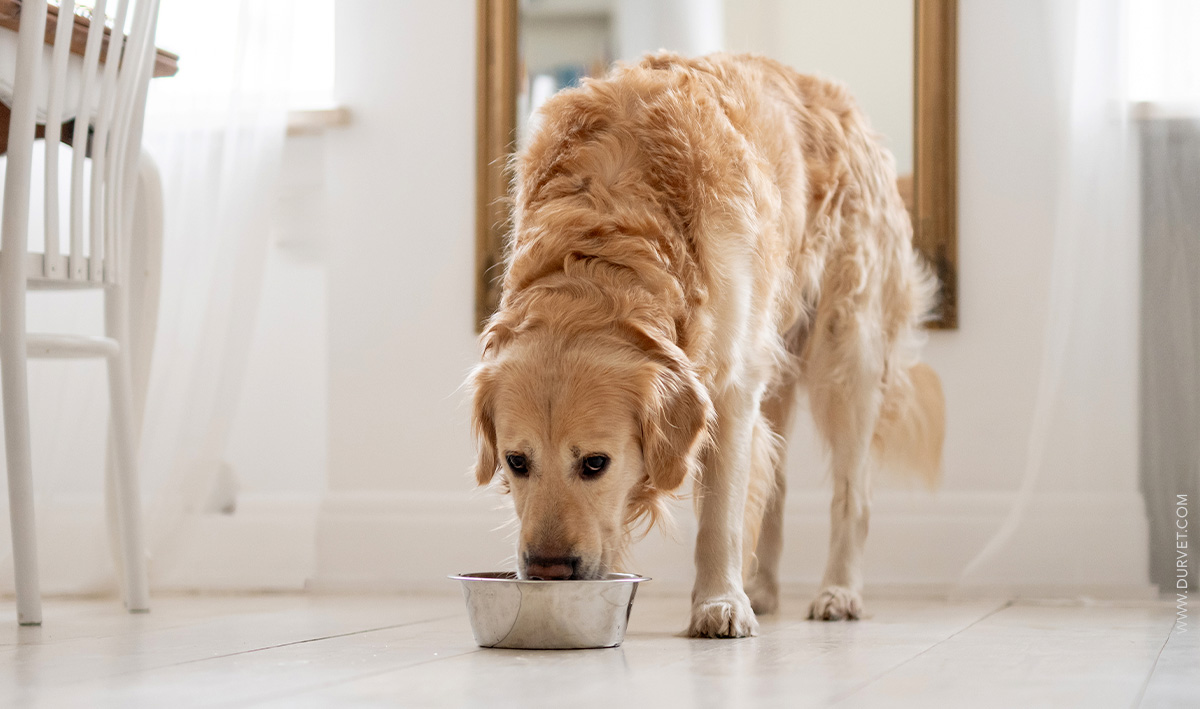
We all know that uncomfortable, bubbly gut feeling and let’s be honest, it’s not fun. So why would we want our dogs to experience it? That is just one sign of an imbalance of gut health.
Gut health is one of the most overlooked aspects of a dog’s health. Just like in humans, a dog’s digestive system plays a huge role in immunity, digestion, and daily energy levels. In fact, the Cornell University College of Veterinary Medicine notes that about 70% of the immune system is located in the digestive tract.
When your dog’s gut is healthy, you’ll usually see it in the little things like consistent stools, high energy, healthy digestion, and even a shiny coat. But when the gut microbiome falls out of balance, problems can start popping up, including diarrhea, vomiting, allergies, itchy skin, and lethargy.
What Is a Microbiome?
Think of your dog’s gut as a tiny city of microorganisms. This community (called the gut microbiome) includes bacteria, viruses, fungi, and their genetic material living inside the digestive tract.
These microscopic residents might be small, but they do big jobs:
- Break down food and help absorb nutrients
- Produce vitamins essential for health
- Protect against harmful bacteria and disease
- Support the immune system
Good bacteria help maintain balance in the digestive tract. Without this balance, your dog’s digestion and immunity can take a hit making it even more important to keep the microbiome healthy.
Why Modern Dogs May Lack Natural Probiotics
Dogs today live very different lives than their ancestors. Modern diets often consist of highly processed foods, and most dogs spend much more time indoors than in natural environments.
Because of this, many dogs aren’t exposed to the same natural sources of beneficial bacteria they are meant to, such as soil, raw food sources, and environmental microbes.
Other factors that can mess up gut balance include:
- Stress
- Antibiotics or medications
- Sudden diet changes
- High-carbohydrate diets
When beneficial bacteria decrease and harmful bacteria take over, the digestive system can become unbalanced.
Signs Your Dog’s Gut May Need Support
When the gut microbiome becomes unbalanced, your dog’s body often starts showing subtle warning signs. Watch for:
- Chronic diarrhea, constipation, or excessive gas
- Vomiting or noticeable changes in appetite
- Itchy skin, ear infections, or frequent licking
- Unexplained weight loss or weight gain
These symptoms can indicate digestive imbalance, so paying attention to them is key.
Simple Ways to Support Your Dog’s Gut Health
Supporting your dog’s digestive health doesn’t have to be complicated. Try these strategies:
- Feed a High-Quality Diet - Choose balanced, species appropriate nutrition and minimize overly processed foods whenever possible.
- Transition Foods Slowly - Switching foods too quickly can upset the digestive system. Gradually introduce new food over 7–10 days to prevent stomach upset.
- Add Probiotics and Prebiotics (Tag our product) - Prebiotics and probiotics work together, playing related but different roles. Supplements containing beneficial bacteria can help restore balance in the gut microbiome. Prebiotics, a type of fiber (Like pumpkin), act as food for these beneficial bacteria, helping them grow and thrive.
- Keep Them Hydrated - Fresh, clean water is essential for proper digestion and nutrient absorption.
- Reduce Stress - Changes in routine, environment, or travel can affect digestion. Keeping a consistent routine helps maintain gut balance.
- Stay on Top of Veterinary Care - Regular veterinary checkups are important. Antibiotics should be used carefully, as they can sometimes disrupt healthy gut bacteria.
The Final Scoop:
A healthy gut does more than just keep your dog’s digestion running smoothly; it helps support immunity, energy levels, skin health, and overall wellbeing. Supporting gut health early can prevent digestive issues and strengthen your dog’s immune system over time.
After all, a happy gut often means a happier, healthier pup.
References:
Purina. Prebiotics for Dogs: What You Need to Know. https://www.purina.com/articles/dog/health/digestion/prebiotics-for-dogs
VCA Hospitals. Pet Gut Health: Digestive Health in Dogs. https://vcahospitals.com/resources/conditions-dog/stomach-digestion/pet-gut-health
Cornell University College of Veterinary Medicine. The Power of Probiotics for Dogs. https://www.vet.cornell.edu/departments-centers-and-institutes/riney-canine-health-center/canine-health-topics/power-probiotics
AnimalBiome. The Microbiome. https://animalbiome.vet/pages/the-microbiome?srsltid=AfmBOorgYRC8WrtfcMqdSx0yAkbUtkW4Fj9tWHsttSirEaH2V5glUPoH

 BACK TO MAIN BLOG
Comment