
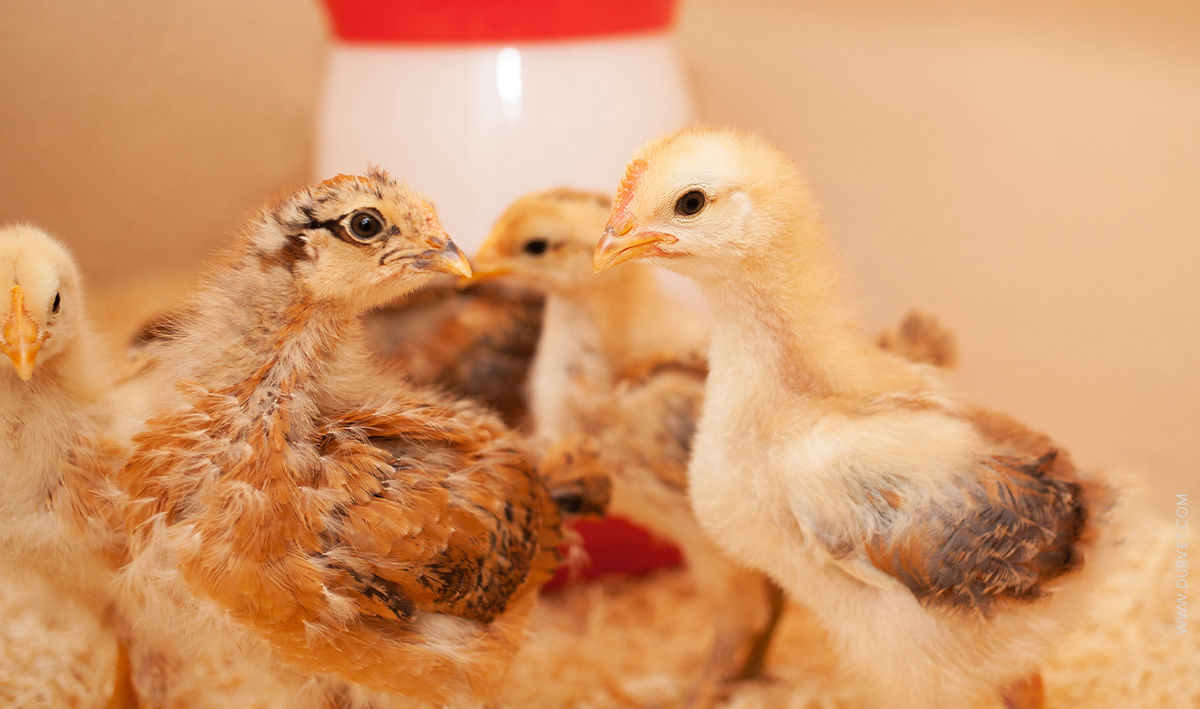
The days are finally getting longer, tulips are starting to poke through the ground, and it’s time to think about housing and equipment for the new chicks you may be adding to your homestead this season. Whether you’re replenishing your flock, expanding it, or starting from scratch as a complete beginner, now is the perfect time to prepare and make sure you have everything needed to give your chicks the best possible start.
I can honestly say that watching my own flock grow from tiny, fuzzy “peepers” into full-grown laying hens—each with their own unique personality—is an absolute joy. That said, there can be challenges, especially when starting a new flock or introducing new chicks into an established one with a well-defined “pecking order” (yes, it’s a real thing!).
Check Local Regulations
Before anything else, if you live within city limits, check whether chickens are even allowed where you live. This is an important first step. I’ve seen many people invest in equipment, bring home chicks, fall in love with them, and then be forced to give them up because local regulations didn’t allow chickens in the first place.
Where to Get Your Chicks
Once you’ve confirmed that you can keep chickens, the next question is where to get them. You have two main options.
First, local feed stores often sell baby chicks in the spring. The advantages here are that you can bring chicks home immediately, hand-pick them, and avoid the stress of shipping. Before purchasing, it’s worth asking whether the chicks come from a hatchery that vaccinates for coccidia and Marek’s disease. When selecting your chicks, look for ones that are bright, alert, and active, with clear eyes and no buildup around the vent.
The second option is ordering chicks from a hatchery. If you go this route, make sure you choose a reputable source and review their shipping policies. It is extremely important that you are able to pick up your mail-ordered package of baby chicks on the delivery date. If there are any delays, chicks will not do well. Hatcheries typically offer a wider variety of breeds, allowing you to select birds that suit your climate and goals. Some breeds do better in warm environments, while others tolerate harsh northern winters. Some are ideal for egg production, others for meat, and some make excellent backyard companions.
Housing & Brooder Setup
Once you’ve determined where your chicks are coming from and which breeds you want, it’s time to focus on housing. Chicks need a safe, warm environment as they grow into adult hens or roosters.
There are several options for brooder setups, including plastic totes with ventilated lids, stock tanks, sturdy cardboard boxes, or wooden enclosures. Whatever you choose should be easy to clean, secure, and capable of safely supporting a consistent heat source.
Temperature Control
Temperature control is critical, as baby chicks are very sensitive to cold and drafts. During the first week, the brooder should be maintained at around 95°F. Heat lamps or heating plates are both effective options. The entire brooder should not be uniformly heated - chicks need cooler areas where they can move if they get too warm. If they are constantly huddled under the heat source, they’re likely too cold. A reliable thermometer placed in the warm and cool areas in the brooder will help you monitor conditions accurately.
After the first week, reduce the temperature by about 5 degrees each week. By six weeks, the temperature should be around 70°F. By eight weeks, chicks are typically fully feathered and able to regulate their own body temperature.
Bedding
Bedding should be clean, absorbent, and easy to replace. Pine shavings are a common and effective choice. Because chicks can be messy, bedding should be checked and refreshed daily as needed. It is best to avoid cedar shavings.
Feeders & Waterers
Feeders should allow all chicks to eat comfortably at the same time, and waterers should be shallow to prevent drowning. It’s also important to choose feeders and waterers that can be cleaned and refilled daily, as chicks tend to spill and soil both food and water quickly.
Nutrition & Feeding Schedule
When it comes to nutrition, start with chick starter feed. This is specially formulated with the right balance of protein, vitamins, and minerals to support healthy growth. Chick starter should be fed from hatch to about 8 weeks of age. If your chicks have not been vaccinated for coccidia, a medicated starter is recommended during their first weeks. If they have been vaccinated, medicated feed is not necessary.
After 8 weeks, transition chicks to a grower feed until they reach about 20 weeks of age. At that point, they can move to a maintenance diet based on your goals, whether that’s egg production or meat birds.
Final Thoughts
Raising chicks from tiny fluff balls to productive laying hens is incredibly rewarding. With proper preparation and care, you can minimize challenges and set your flock up for success. Then comes the hardest part—waiting patiently for those first farm-fresh eggs, which typically arrive between 18 and 24 weeks, depending on the breed.
Checklist for raising new chicks:
- Brooder (box, tub, or pen)
- Heat lamp or heating plate with proper hooks and clamps to keep secure
- Bedding (pine shavings)
- Chick feeder
- Chick waterer
- Chick starter feed
- Thermometer (2)
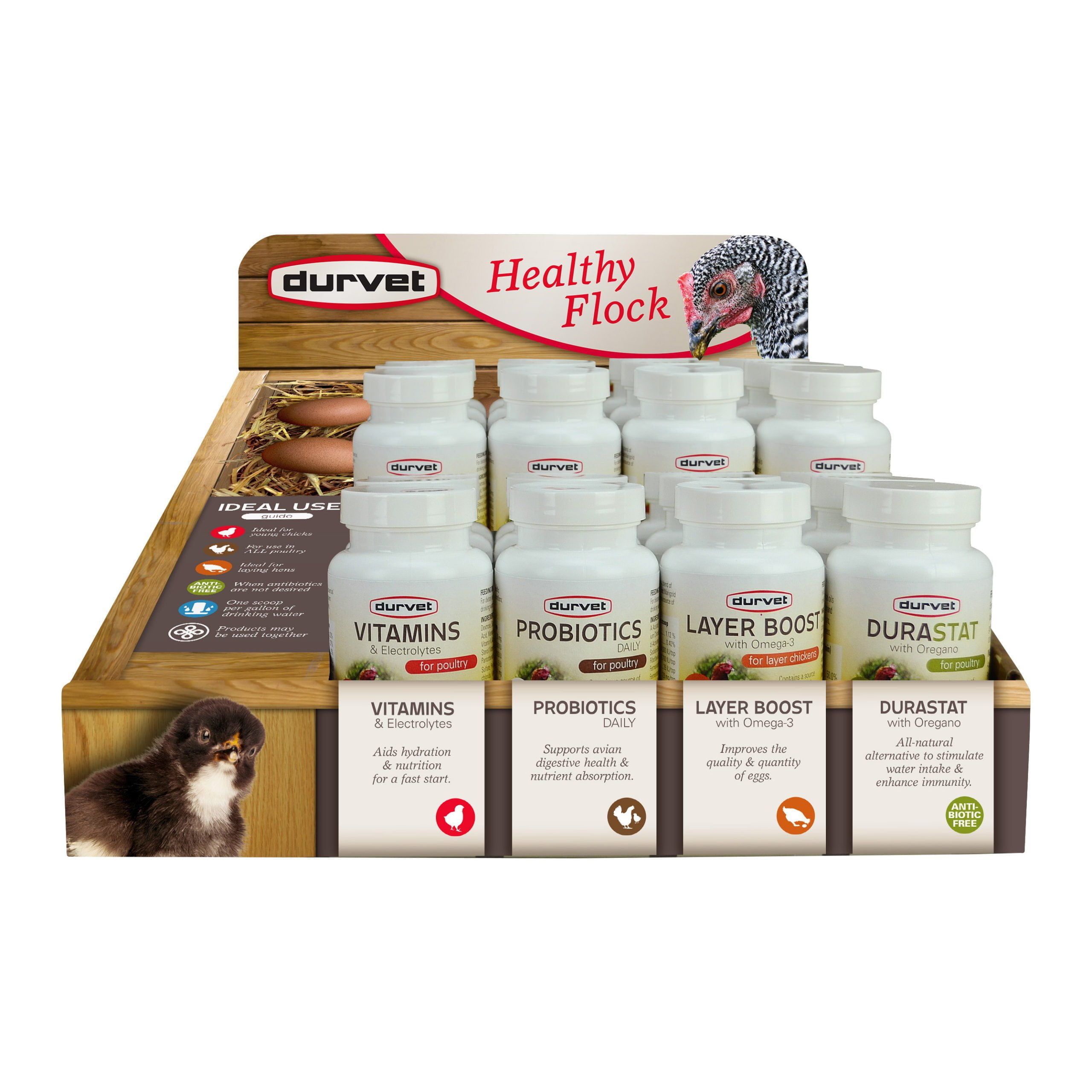
- Electrolytes - (optional – best for the first 2-4 days in their new home)
- Cleaning supplies

 BACK TO MAIN BLOG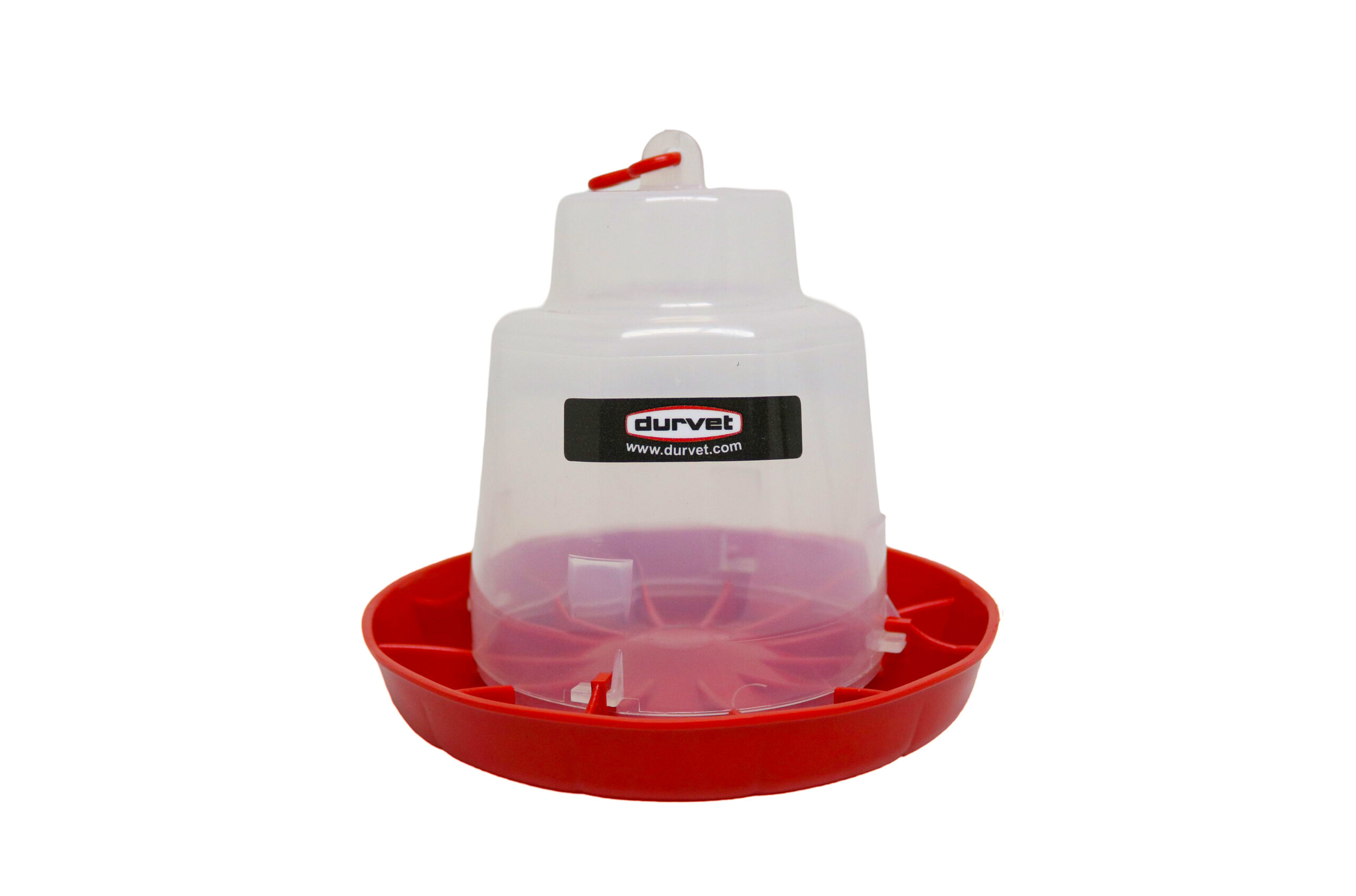

Comment