
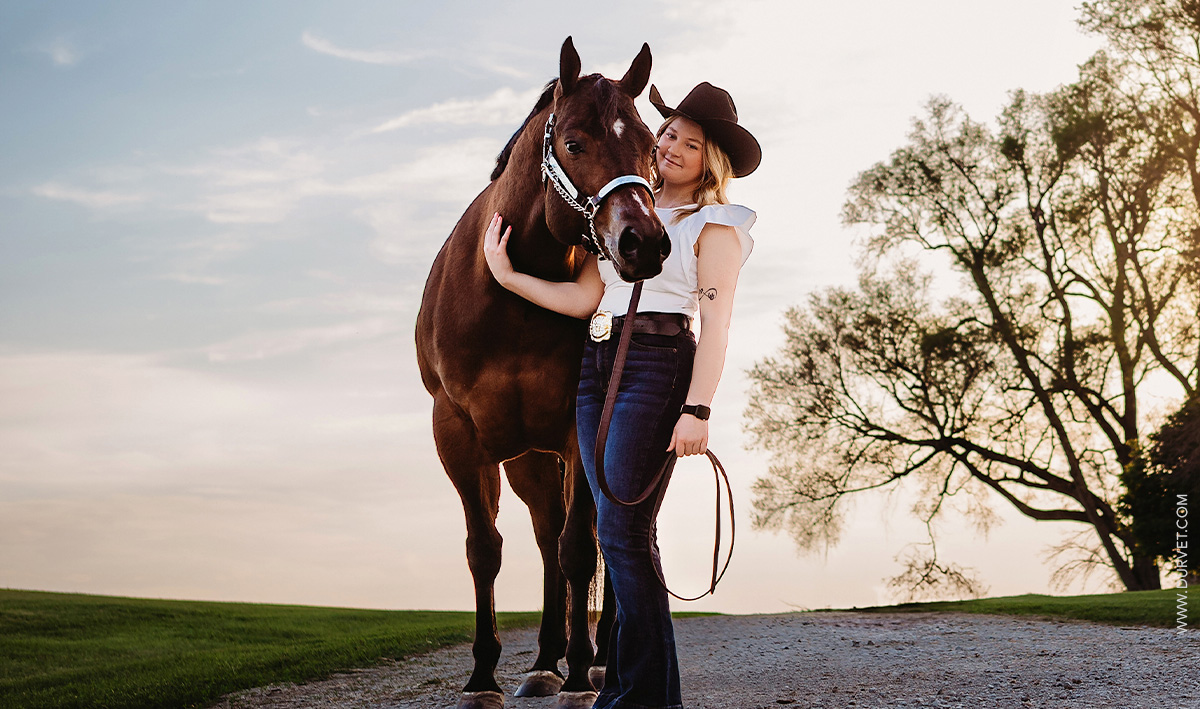
Have you ever wondered how the horses go into a show pen looking sleek and shiny? Although you might be thinking it just involves a little soap and water, it doesn’t. There is a lot more work that goes into preparing your horse for a horse show than you think. In this blog, I am going to discuss the work and products I use/do to prepare for a show.
To start out, one of the most important things you need to focus on is feed and supplements. Finding a feed that will fit your horse best is the first step. For example, my current show mare has been diagnosed with a metabolic issue, so she has been put onto a low starch/sugar diet. Going to a local feed store/farm store will be able to help you decide which feed is best for your horse.
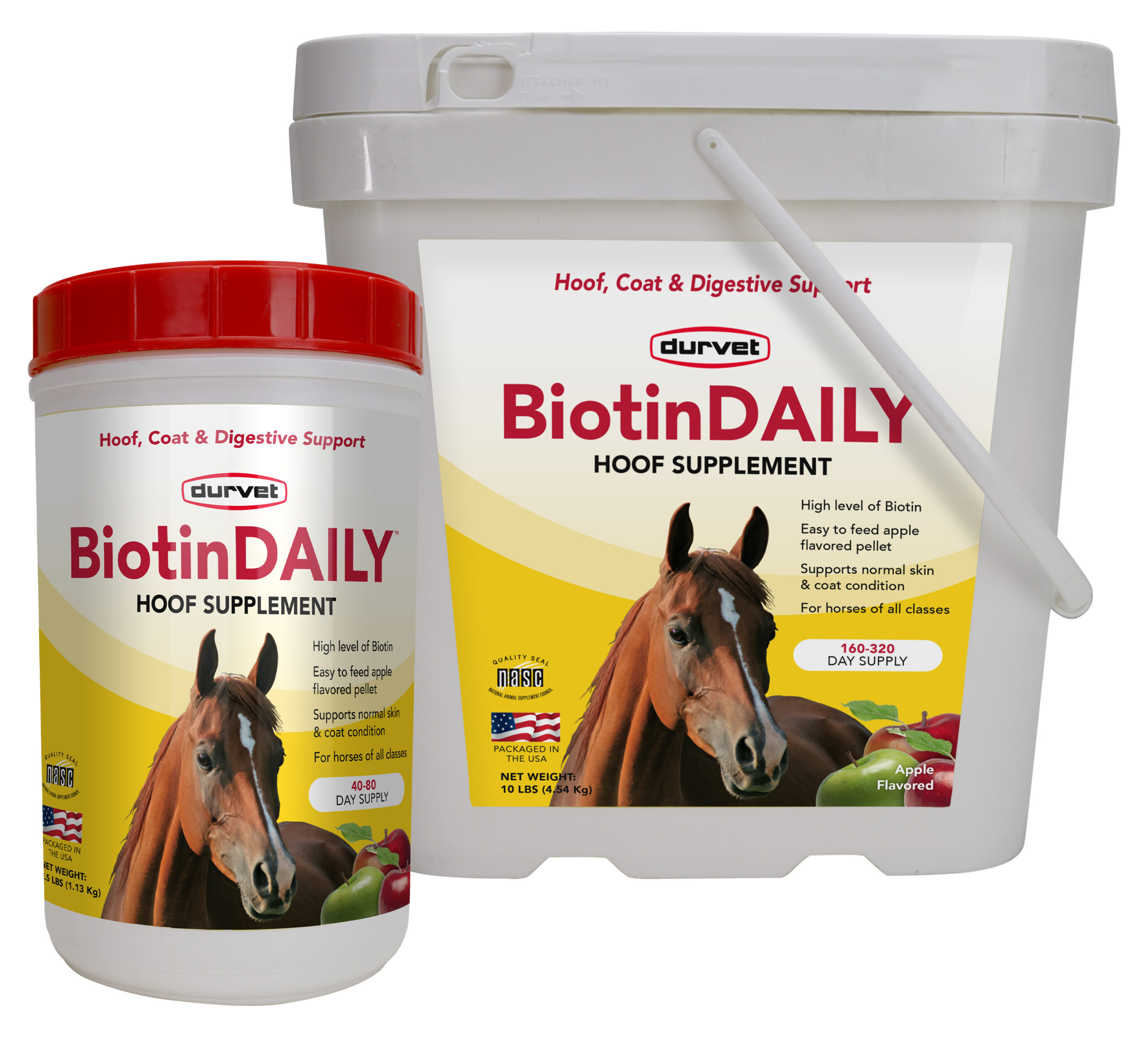
After finding the feed, the next step is finding any top dressings or supplements your horse may need. Common supplements I integrate into my horse's show diet are:
- Vitamin E to support the immune system and maintain muscle health
- Amino Acid to improve a horse's topline
- Vitamin A, D and B12 for immune, respiratory, reproductive and nervous system support
- Gastric supplement for gut health
- Bone, joint and connective tissue supplement
There are many equine supplement options available to choose from, it's best to work with your veterinarian to identify what your horse may specifically need.
During the summer, I will find a time for the chiropractor to come out and adjust my horse. After that, I arrange maintenance joint injections to help manage inflammation and reduce discomfort. It takes a lot to keep your horse looking and feeling its best, but conditioning and training take the most time.
If you want your horse to behave in the show pen, then time and effort needs to be put into your horse outside the show pen. This routine looks a little different for everyone, but for me, I do the same routine every time. I start out by brushing my horse with a stiff brush before putting the saddle on, this removes dirt, sweat, loose hair, or debris (like small twigs or burrs) trapped under the saddle that could rub against the horse’s skin, causing painful saddle sores, rubs, or galls. I also like to brush both my horse's mane and tail, so that way it gets rid of any knots.
After getting my horse brushed, and getting my horse saddled, I lunge my horse using a long lead rope to have my horse run circles around me in both directions. I usually lunge my horses for about 10 minutes each time, but it truly depends on the body language of the horse. This is also a process that I do so the horse can burn off extra energy that might lead to misbehaving. Once the horse has been lunged, I hop on and typically ride for around 30 minutes-1 hour. During practice, I always try and do a little bit of everything (walking, trotting, loping, backing, side passing, pivoting). My main goal is to ride like how I want to perform in the show pen. Paying attention to my body posture is also important. The more I practice this, the more it becomes muscle memory.
Practicing allows me to strengthen my connection with my horse. Having a strong connection allows my horse and me to go into a show pen and work more as a team, rather than against each other. Something I’ve always been told is “practice makes perfect,” and I fully believe it–especially when practicing with a 1,200-pound animal that doesn’t talk and could kill you in an instant.
Getting to a show is when you really put everything together. Going to the show starts with packing. One thing I like to do is make a list of everything I use. I will start making this list 4 or 5 days in advance, so that way as I am feeding/practicing, if I am forgetting anything, then I can throw it into the trailer.
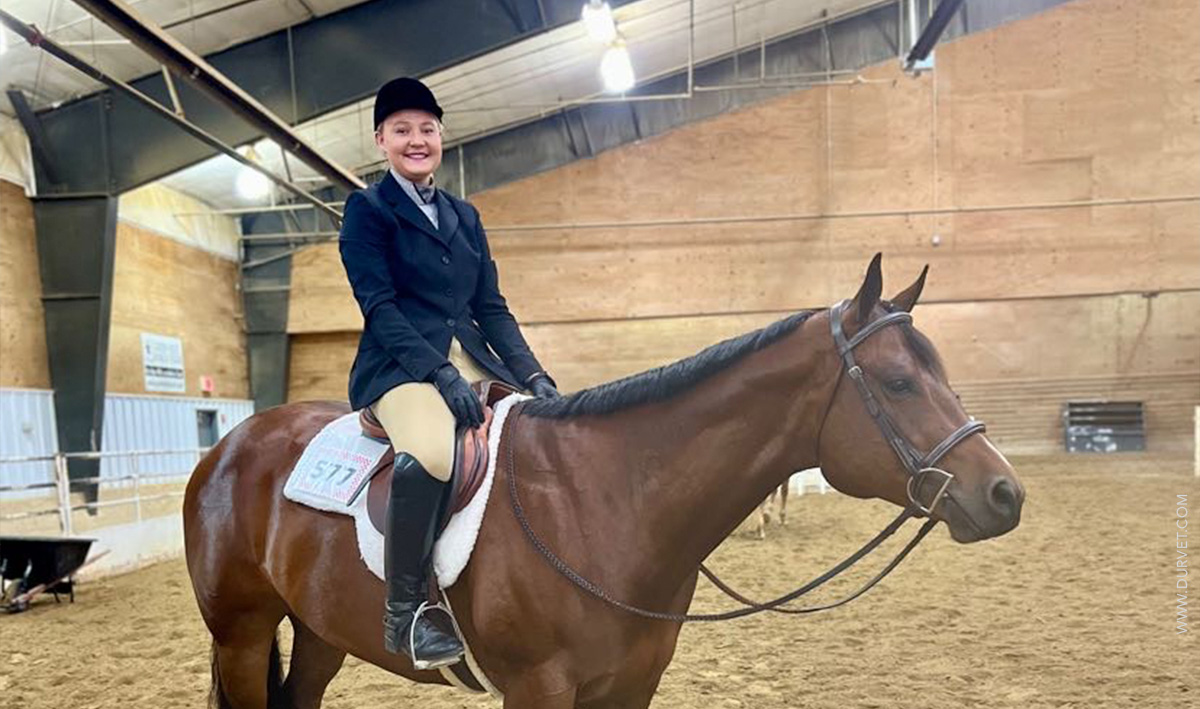
After traveling and getting to the show, the first thing I do is get my horse's stall ready. I start by laying bedding down and getting a water bucket set up. This allows my horse to get in her stall and acclimate a lot faster. Once my horse settles in, I walk her around the arena/facility to make her more comfortable in the environment. When she’s relaxed, I saddle up and ride.
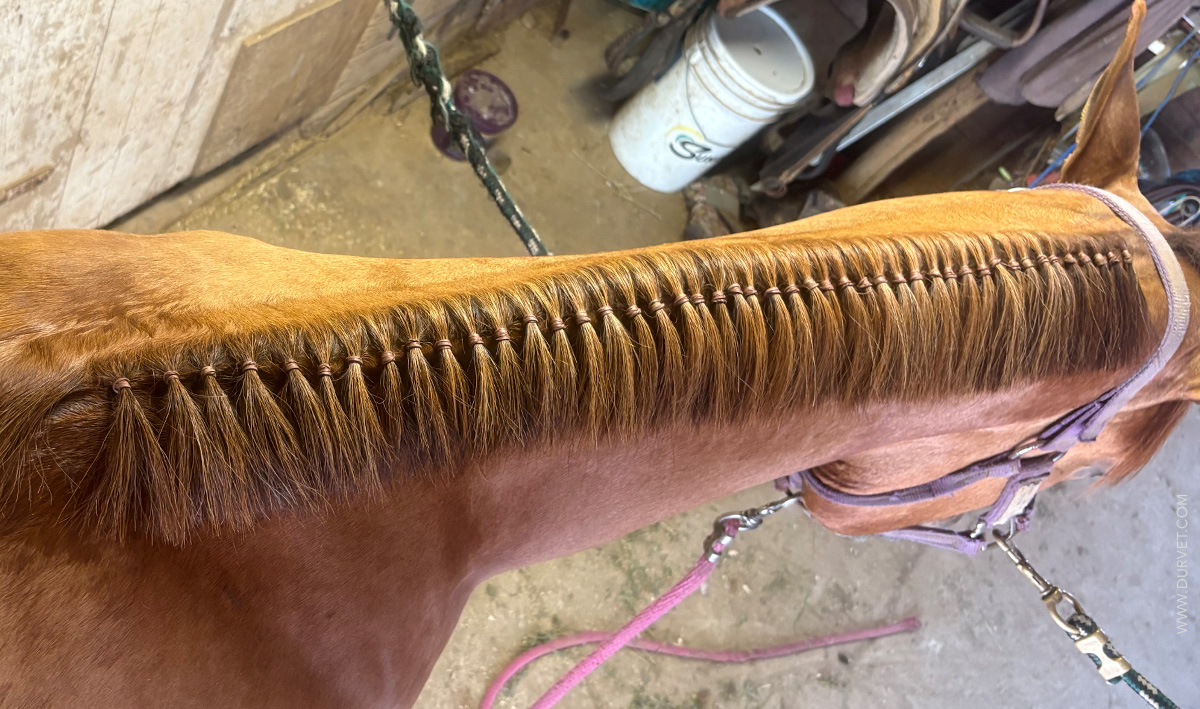
Following our ride, I wash my horse and get all the dirt/stains out. Then, I like to poultice (clay used to draw out any inflammation) my horse's legs. I do this so that my horse is feeling fresh and ready for a long day of showing. Next, I band my horse’s mane (adding rubber bands to keep the horse's mane looking sharp). Sometimes, depending on the show, I will pay to have my horse beamered (a blanket that helps improve circulation and can help with relaxation). On the day of the show, I start by lunging my horse. After that, I groom her to get her looking sleek and shiny. Next, I will put her tail extension in. This helps with making the horse's tail look full and healthy. I will then saddle up and warm up. After I am done showing for the day, I repeat the entire process.
Showing horses isn’t just about sitting on the horse and looking pretty. It involves a lot of behind-the-scenes work to prepare your horse for the show. Along the way, you gain valuable life skills and make meaningful connections with others in the industry.
It’s an experience that shapes who you are—both in and out of the show pen.
This article was written by Sydney O'Neill, an aspiring equestrian with a passion for horse care and education. We appreciate her fresh perspective and dedication to animal wellbeing.
 BACK TO MAIN BLOG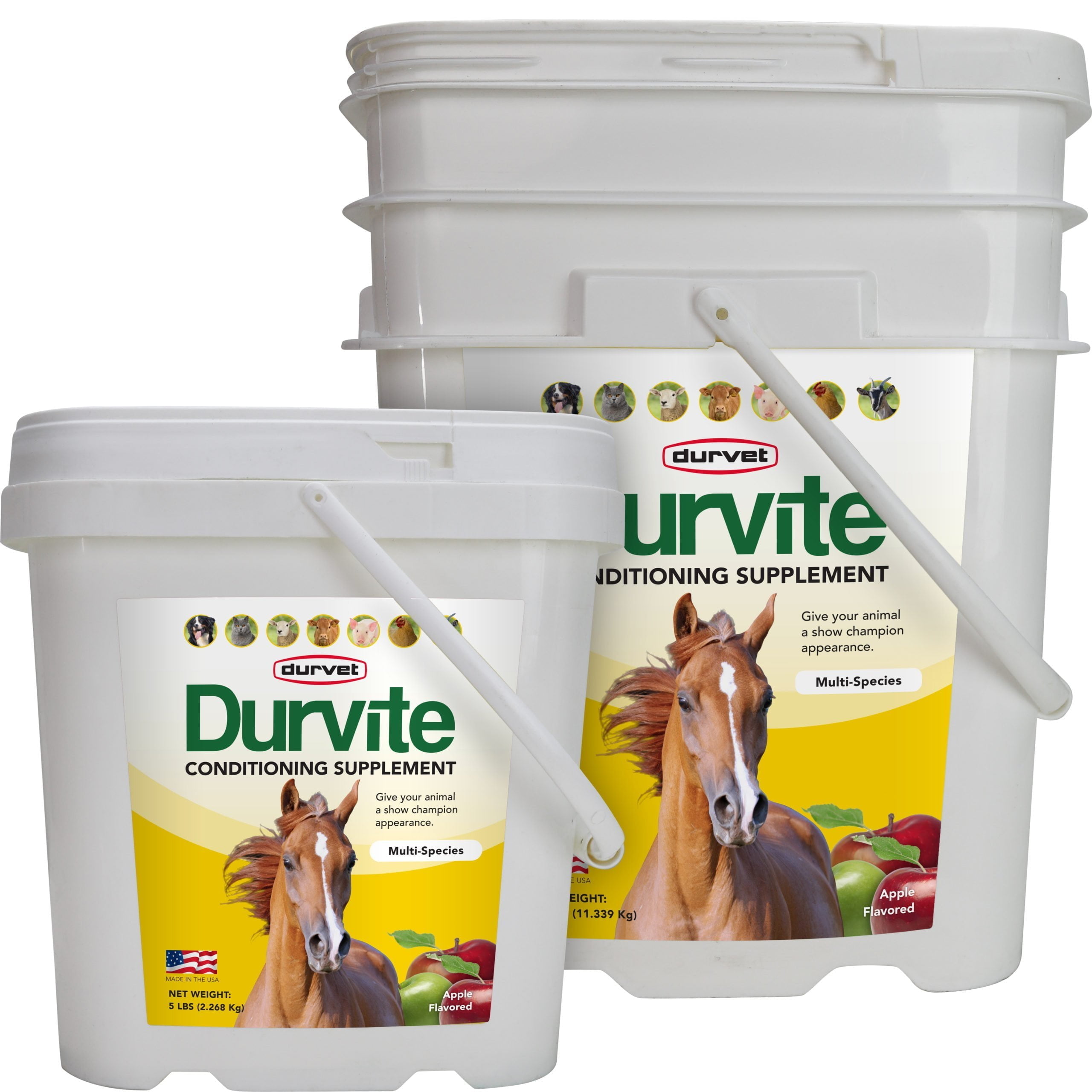
Comment