
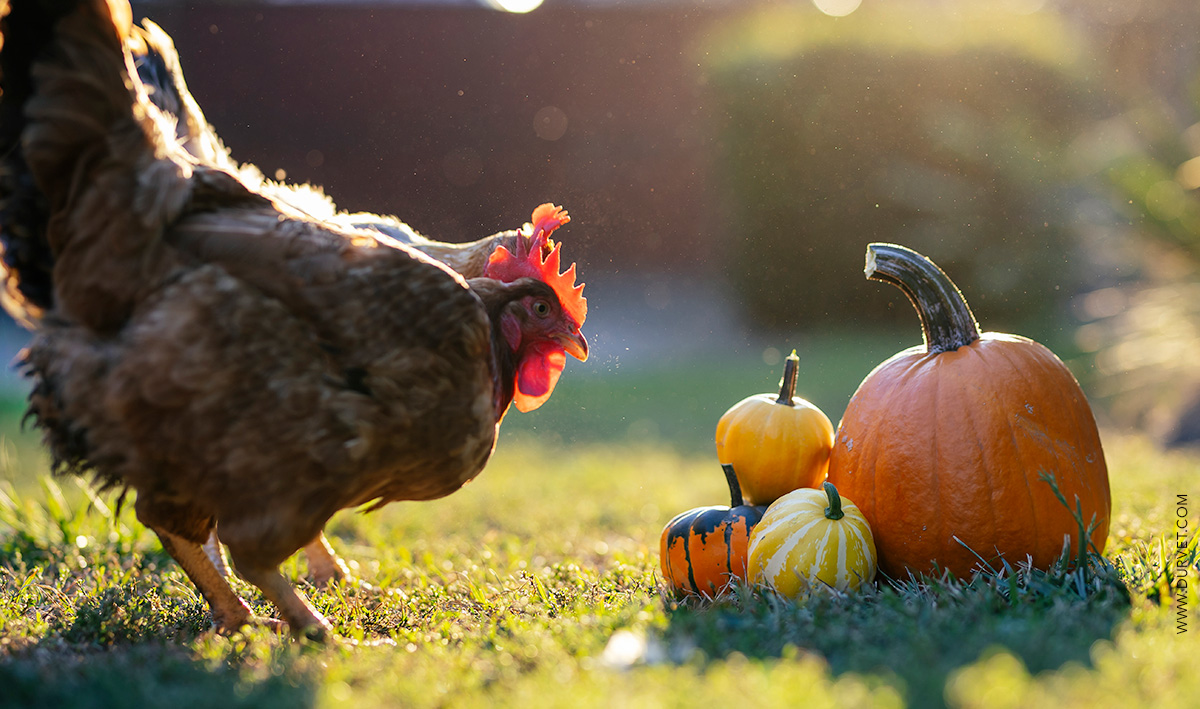
Fall brings pumpkins, cooler weather, and plenty of opportunities to enjoy the season on the farm. But before tossing leftover pumpkins into the pasture or chicken run, you may be wondering: Are pumpkins safe for farm animals to eat?
The good news is that fresh, plain pumpkins can be a tasty seasonal treat for many farm animals. Cattle, horses, goats, sheep, pigs, and poultry can all enjoy pumpkin when it is prepared properly and offered in moderation. However, not every pumpkin is safe to feed. Here is what to know before sharing this fall favorite with your animals.
Which Farm Animals Can Safely Eat Pumpkin?
Many common farm animals can enjoy fresh pumpkin as an occasional treat, not a full meal. How you prepare and serve it will depend on the animal.
- Cattle: Cattle can eat pumpkin flesh, seeds, and rind. Pumpkins can provide supplemental energy and nutrients.
- Horses: Short answer is yes, but be sure they are orange ones and cut larger pumpkins into manageable pieces to reduce choking risk. Not for horses that have Hyperkalmic Parodic Paralysis (HYPP).
- Goats and sheep: Both can eat pumpkin flesh, seeds, and rind. Break larger pumpkins open to make them easier to eat.
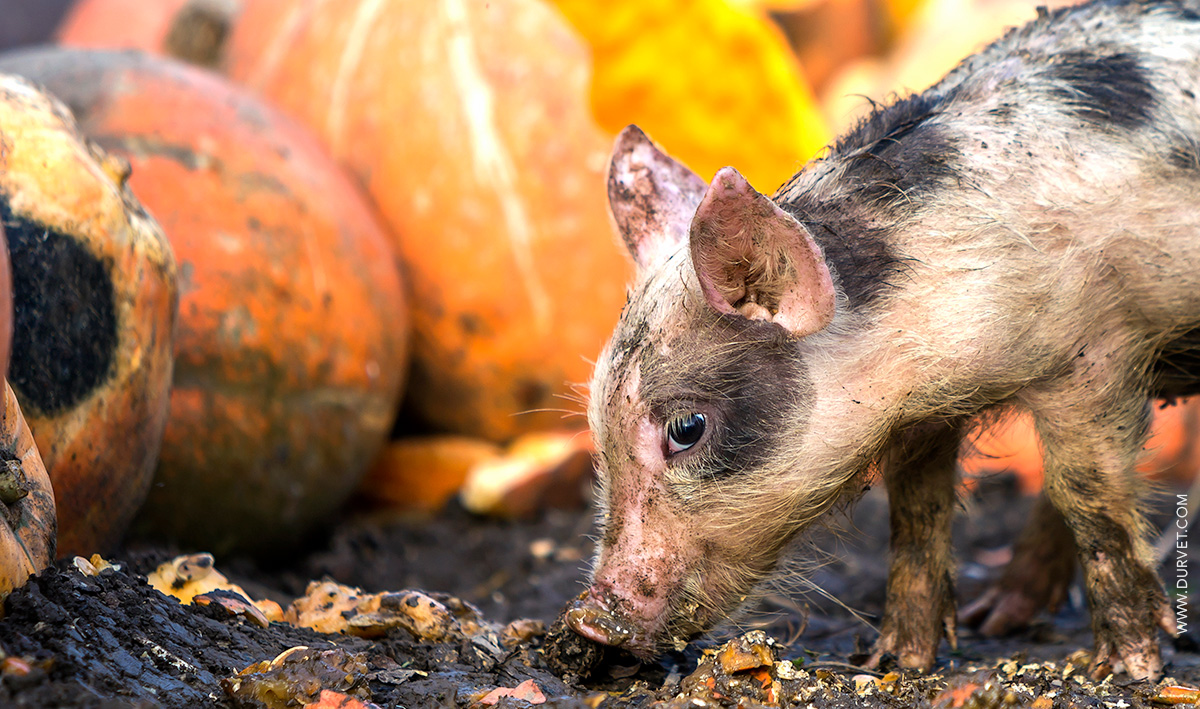
- Pigs: Pigs can enjoy pumpkin as a seasonal snack. Cut or break open pumpkins as needed and keep portions moderate, especially when pumpkin is new to their diet.
- Chickens and other poultry: Pumpkin can offer variety and enrichment. Break it open or cut it into smaller pieces so birds can reach the flesh and seeds. Remove leftover pieces before they spoil.
Every animal is different, and age, health, and existing dietary needs matter. If you are unsure whether pumpkin is appropriate for your animals, check with your veterinarian or livestock nutritionist before introducing it.
Nutritional Benefits of Pumpkin
Pumpkin is more than a seasonal decoration. It contains several nutrients that can contribute to an animal's overall diet.
- Fiber for digestion - Pumpkin contains dietary fiber, which supports normal digestive function. Fiber is especially important for maintaining healthy digestion, although the amount and type of fiber an animal needs depend on its species and overall diet.
For ruminants such as cattle, sheep, and goats, pumpkin should complement their usual forage rather than replace the hay, pasture, or other feeds that support a healthy rumen.
- Vitamins and other nutrients - Pumpkin provides nutrients such as vitamin A, vitamin E, folate, and potassium. These nutrients play roles in normal health to animals overall.
Pumpkin also contains plenty of moisture. While this can contribute to an animal's overall water intake, fresh, clean drinking water should always remain available.
Remember that pumpkin is a an extra treat, not a complete feed. It should not replace a balanced ration, and feeding more pumpkin does not automatically provide greater health benefits.
Fresh vs. Canned Pumpkin: Which Is Better?
Both fresh pumpkin and plain canned pumpkin can be suitable for certain farm animals, but preparation and ingredients matter.
- Fresh pumpkin: Choose firm pumpkins with no signs of an old pumpkin like mold, rot, or other soft spots. Wash away dirt and remove stems, candles, wax, paint, and decorations. Cut or break the pumpkin into pieces appropriate for the animal eating it.
- Canned pumpkin: If you choose canned pumpkin, read the ingredient label carefully. Select plain, 100% pumpkin with no added ingredients. Avoid pumpkin pie filling, which often contains sweeteners and seasonings that are unnecessary for animals.
Real pumpkins are a great option when you have safe, untreated pumpkins that you need to get rid of after the fall season festivities.
Neither option should be introduced in large quantities all at once. Start with a small amount and monitor your animals for changes in appetite, stool, or general behavior.
Can Animals Eat Moldy Pumpkins?
No! Do not feed moldy, rotten, or spoiled pumpkins to your farm animals.
A pumpkin that has been sitting outdoors for weeks may develop mold, soft spots, bacterial contamination, or other signs of deterioration. Even if only one area looks spoiled and you think you can cut around it, don't do it because it can spread and you might not even see it.
Some molds can produce toxins that may cause illness. Feeding spoiled pumpkins is not worth the risk, even if an animal appears willing to eat them.
Before feeding a leftover pumpkin, check for:
- Visible mold or fuzzy patches
- Soft, mushy, or rotting area
- An unusual or foul smell
- Signs of contamination from dirt, animals, or other sources
- Candle wax, paint, glitter, bleach, or other decorative treatments
Carved pumpkins require caution because they may have been exposed to the elements, handled frequently, or treated with decorations. When in doubt, throw it out, NOT near animals.
Tips for Feeding Pumpkin Safely
Before sharing pumpkins with your animals, keep these simple tips in mind:
- Start small - Introduce pumpkin gradually to help reduce the risk of digestive upset
- Prepare it properly - Break or cut large pumpkins into manageable pieces, especially for horses and smaller animals
- Keep it plain - Avoid pumpkin pie filling, sweeteners, spices, and other added ingredients
- Check for spoilage - Never feed pumpkins that are moldy, rotten, or contaminated
Watch for changes. If an animal develops diarrhea, reduced appetite, abdominal discomfort, or unusual behavior after eating pumpkin, stop feeding it and contact your veterinarian if symptoms persist or are concerning.
Make the Most of Pumpkin Season
Pumpkins can be a fun way to add some pumpkin spice (Ha!) to your farm animals' diets while making use of fresh, untreated pumpkins that might otherwise go to waste.
Remember, every animal has different nutritional needs. When introducing new foods, keep your animal's overall diets in mind and consult your veterinarian or livestock nutritionist if you have questions.
A little pumpkin can go a long way toward making fall on the farm more enjoyable!
References:
https://www.cfsph.iastate.edu/thelivestockproject/halloween-and-our-livestock/
https://lasanimas.extension.colostate.edu/wp-content/uploads/sites/46/2019/04/SAM-Newsletter-Fall-18.pdf
https://thehorse.com/113373/can-horses-eat-pumpkin/
https://texasfarmbureau.org/are-pumpkins-safe-for-livestock-to-eat/
https://www.petmd.com/horse/conditions/musculoskeletal/c_hr_hyperkalemic_period_paralysis

 BACK TO MAIN BLOG


Comment