
Colostrum Basics
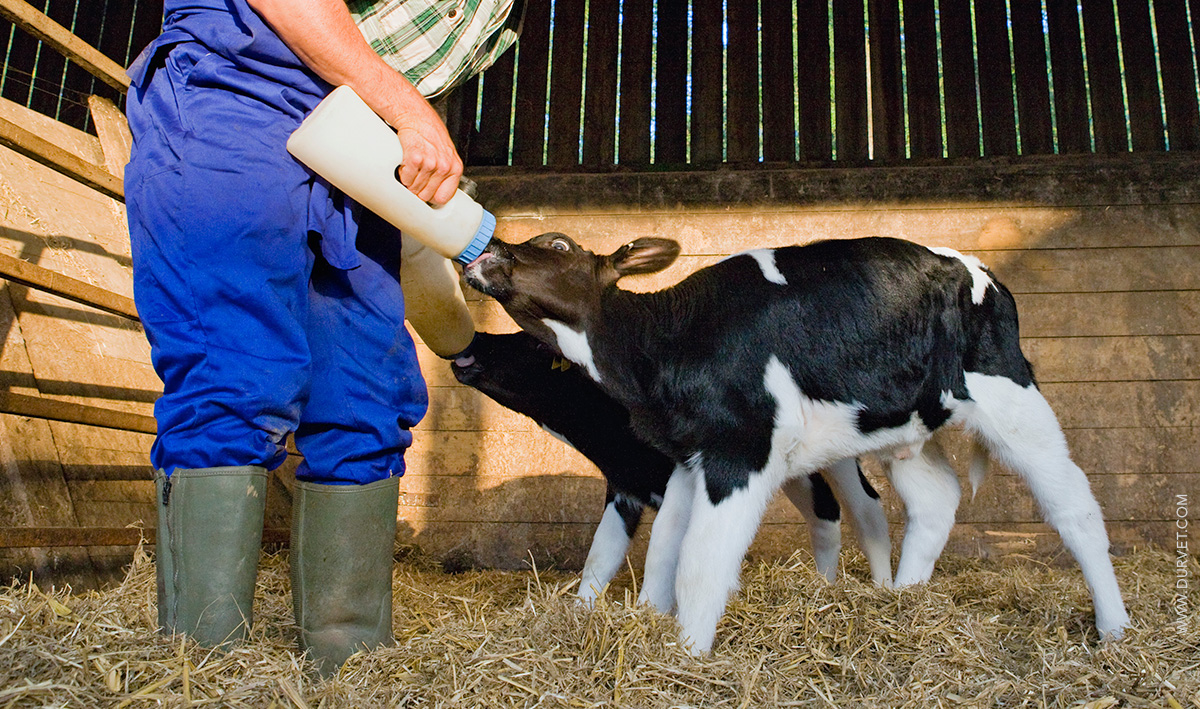
In a perfect world, every newborn calf would receive three to four liters of clean, high-quality colostrum from its dam within the first one to two hours after birth. This first feeding is essential for survival and early immune development. In reality, however, calving rarely goes exactly as planned. A cow’s colostrum may be low in quality, contaminated, or available in limited quantity. In other cases, a calf may be too weak to stand and nurse effectively after a difficult birth.
Fortunately, producers have reliable options to ensure calves still receive the colostrum they need. Because the exact quality, immunoglobulin (IgG) concentration, or pathogen status of maternal colostrum is often unknown, many operations rely on powdered or commercially prepared colostrum products. Whether the source is the dam or a high-quality replacer, providing colostrum promptly is one of the most important steps in supporting a calf’s immune system, promoting early health, and encouraging strong growth.
Why Colostrum Matters
Colostrum is often referred to as “liquid gold,” and for good reason. It is the first milk produced by the cow in the days leading up to calving and is available only for a short window after birth. Compared with regular milk, colostrum contains much higher concentrations of solids, fat, protein, vitamins, minerals, and immune compounds, while being lower in lactose.
Newborn calves—and many other livestock species—are born without circulating antibodies. Unlike humans, cattle do not transfer immunity through the placenta during pregnancy. This means calves enter the world with no natural protection against bacteria, viruses, or other pathogens in their environment.
Their only source of immediate immune protection comes from the antibodies found in colostrum. Whether those antibodies come from maternal colostrum or a properly mixed replacer, the principle remains the same: without enough high-quality colostrum early in life, a calf has little defense against disease.
Many dairy operations rely heavily on dried colostrum replacers because they provide consistent and verified levels of IgG antibodies, fat, and other nutrients. This approach reduces the risk of feeding poor-quality or contaminated maternal colostrum and helps ensure more predictable health outcomes.
Colostrum Composition and IgG
The nutritional and immunological makeup of colostrum is what makes it so valuable. Among its many components, the most critical is immunoglobulin G (IgG). These antibodies are produced by the dam late in pregnancy and transferred from her bloodstream into the mammary gland just before calving. The IgG in colostrum reflects the diseases the cow has encountered through natural exposure or vaccination.
Several factors influence the IgG concentration of colostrum, including the cow’s breed, age, overall nutrition before calving, the volume of colostrum produced, and environmental stressors such as extreme heat or cold.
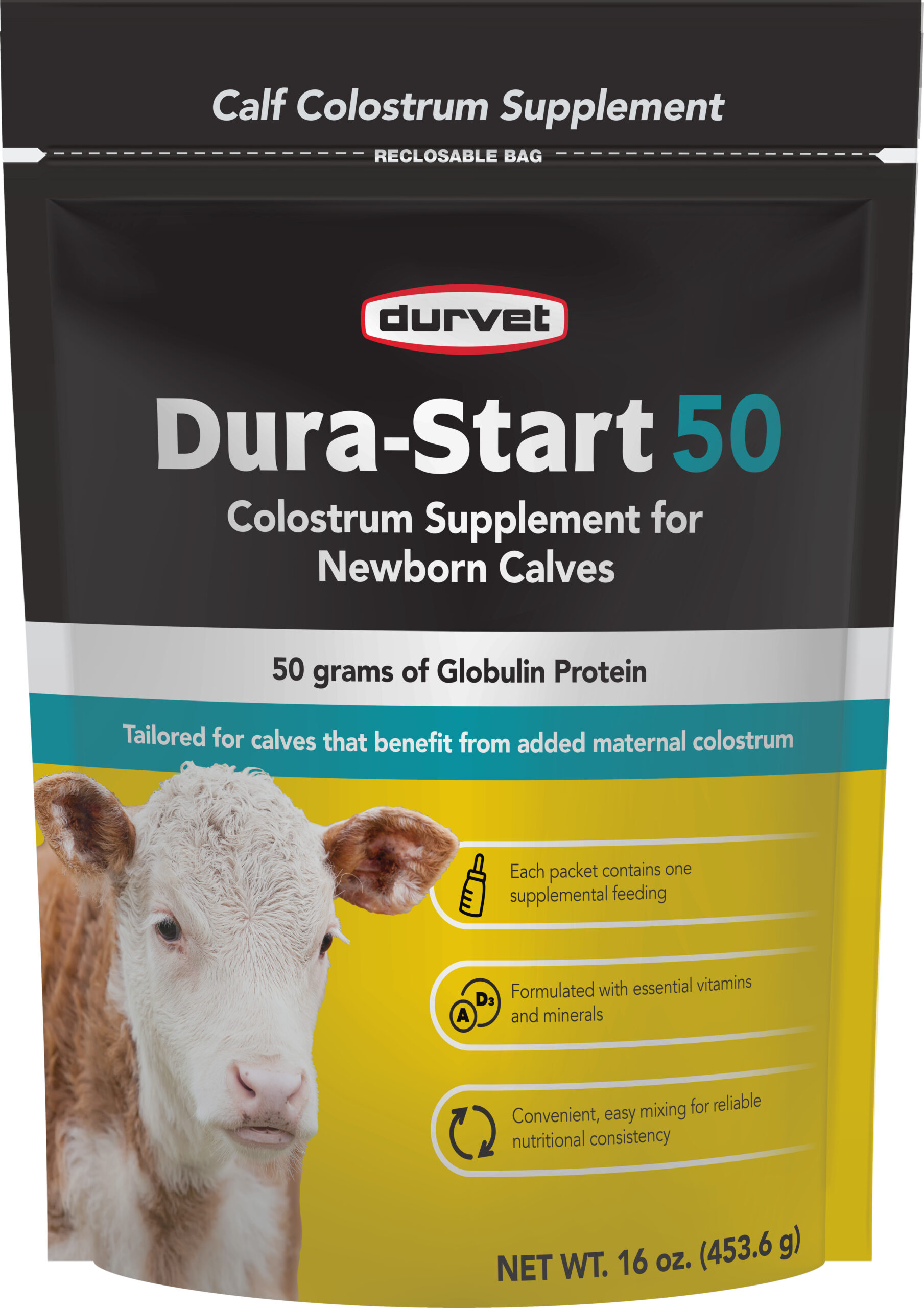
When calves receive no maternal colostrum, a full colostrum replacement should typically provide between 150 and 200 grams of total IgG during the first two feedings. Some research suggests providing as much as 300 grams may further strengthen passive immunity. If the calf has nursed but colostrum quality is uncertain—or if the calf is considered high-risk due to twins, premature birth, or a difficult calving—a colostrum supplement can help increase antibody intake.
When purchasing colostrum products, it is important to distinguish between supplements and replacements. Supplements generally contain 25 to 60 grams of IgG per liter and are intended to boost maternal colostrum. True replacers contain 100 grams of IgG per liter or more and are designed to fully replace maternal colostrum when it is unavailable.
Timing Is Critical
In addition to quality and quantity, timing plays a major role in successful colostrum management. Immediately after birth, a calf’s intestinal lining can absorb large antibody molecules directly into the bloodstream. However, this ability declines rapidly with time.
Each hour after birth reduces the calf’s capacity to absorb IgG. By 24 to 48 hours of age, the intestine can no longer absorb antibodies effectively, a process known as “gut closure.”
To maximize passive transfer of immunity, calves should receive their first colostrum feeding as soon as possible—ideally within the first one to two hours after birth and certainly no later than six to eight hours. Early feeding ensures the calf absorbs the greatest possible amount of IgG, providing protection against the pathogens it will immediately encounter.
Calves that receive inadequate or delayed colostrum may experience failure of passive transfer (FPT). These calves are significantly more susceptible to health problems such as scours, pneumonia, and septicemia during the first weeks of life. Studies also show that calves with adequate passive immunity often grow faster and perform better later in life.
Feeding After Colostrum
Once a calf has received adequate colostrum, the next priority is maintaining its health and supporting steady growth. At birth, calves do not yet have a functioning rumen and essentially behave like monogastric animals. The abomasum—or “true stomach”—is the only stomach compartment capable of digesting milk.
When a calf drinks milk from a bottle or bucket, the esophageal groove closes and directs the milk past the undeveloped rumen and reticulum directly into the abomasum. Because rumen fermentation has not yet begun, young calves cannot effectively digest forage and must rely entirely on liquid nutrition.
For the first few weeks of life, calves depend on the highly digestible nutrients supplied by whole milk or a properly formulated milk replacer. As the calf begins consuming grain and forage, the rumen gradually develops and becomes functional.
Milk Replacers
Milk replacers vary widely in formulation and quality, but all contain three essential components: protein, energy, and a balanced supply of vitamins and minerals.
Most milk replacers contain between 20 and 28 percent protein. Ideally, this protein should come from milk-based ingredients such as whey, whey protein concentrate, skim milk, or casein. These ingredients provide highly digestible amino acids that are well suited to the calf’s immature digestive system.
Lower-cost milk replacers may include non-milk protein sources such as soy protein isolate, modified soy flour, wheat gluten, or animal plasma. While these ingredients can reduce cost, they are generally less digestible and are better suited for calves older than three weeks, when their digestive systems are more developed.
Energy in milk replacers comes primarily from lactose and fat. Fat levels typically range from 18 to 28 percent. Common fat sources include animal fats such as lard and tallow, as well as plant-based fats like coconut and palm oils, which calves digest efficiently.
Selecting and Feeding Milk Replacers
Selecting the right milk replacer involves more than comparing ingredient labels. The protein and fat levels should match the calf’s age, environmental conditions, and growth goals.
Feeding management is equally important. Mixing rates, feeding volumes, temperature, and feeding schedules should remain consistent. Sudden changes in any of these factors can lead to digestive upset or nutritional scours, particularly in young calves.
Consistency in both product selection and feeding practices helps calves transition smoothly from colostrum-based immunity to healthy growth during the pre-weaning stage.
Not Just for Calves
Colostrum is essential not only for calves but also for many other livestock species. Animals such as lambs, goat kids, crias, foals, and piglets are born without circulating antibodies because their placentas prevent maternal antibodies from crossing into the fetus during pregnancy.
As a result, these newborn animals must receive antibodies through colostrum shortly after birth to gain immune protection. For producers raising multiple species, maintaining a reliable supply of high-quality colostrum or species-appropriate replacers can be an important part of newborn livestock management.
Final Thoughts
Just as parents prepare for the arrival of a newborn baby, livestock producers should prepare for the arrival of newborn animals. Having the right supplies ready before calving or lambing season can make a critical difference in those first hours of life.
During calving season, the right products at the right time can save lives. Please make sure you are prepared ahead of time with the colostrum, milk replacers, and proper equipment (buckets, bottles, wisks, etc.) needed to give that newborn the best chance possible.

 BACK TO MAIN BLOG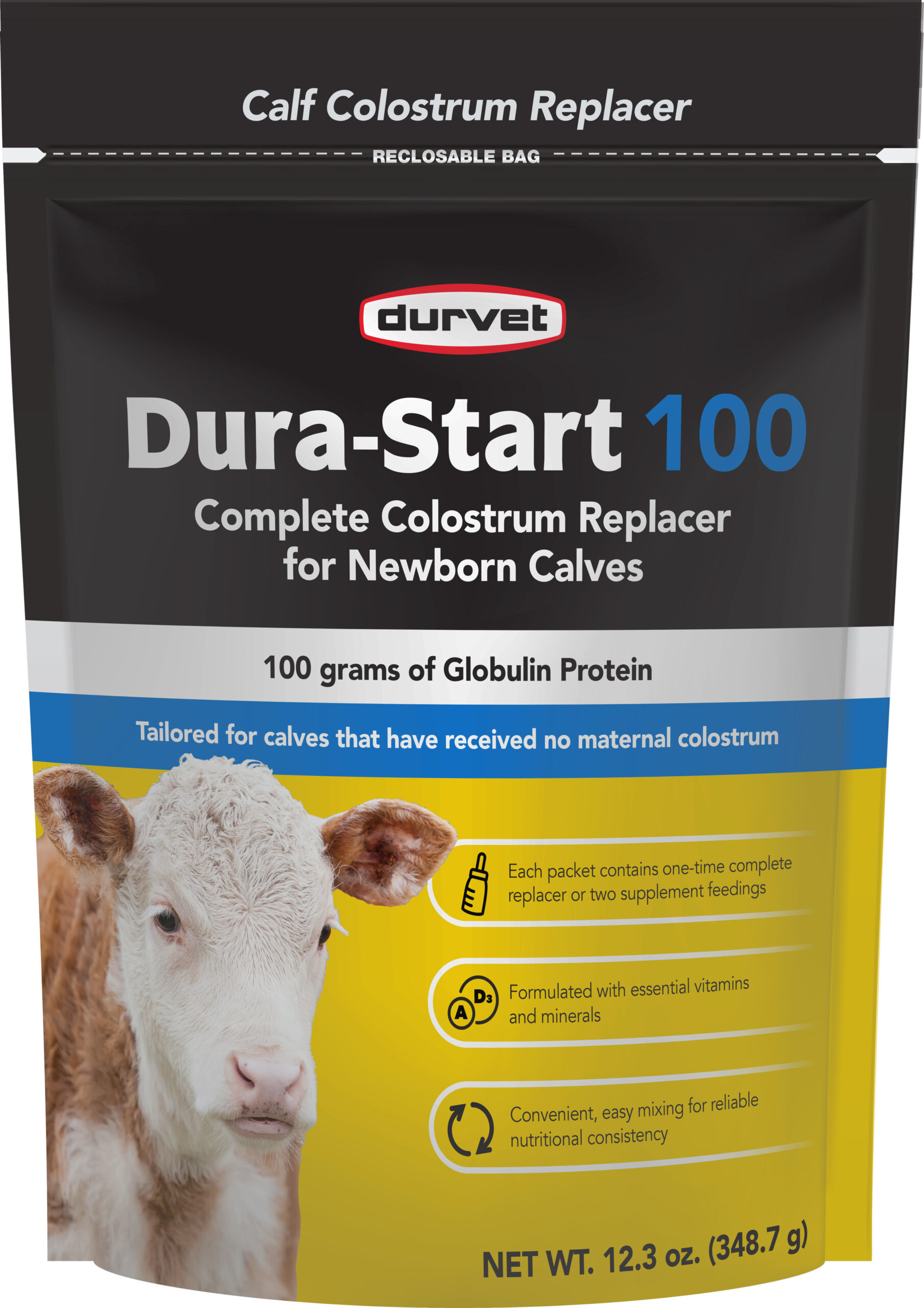
Comment