
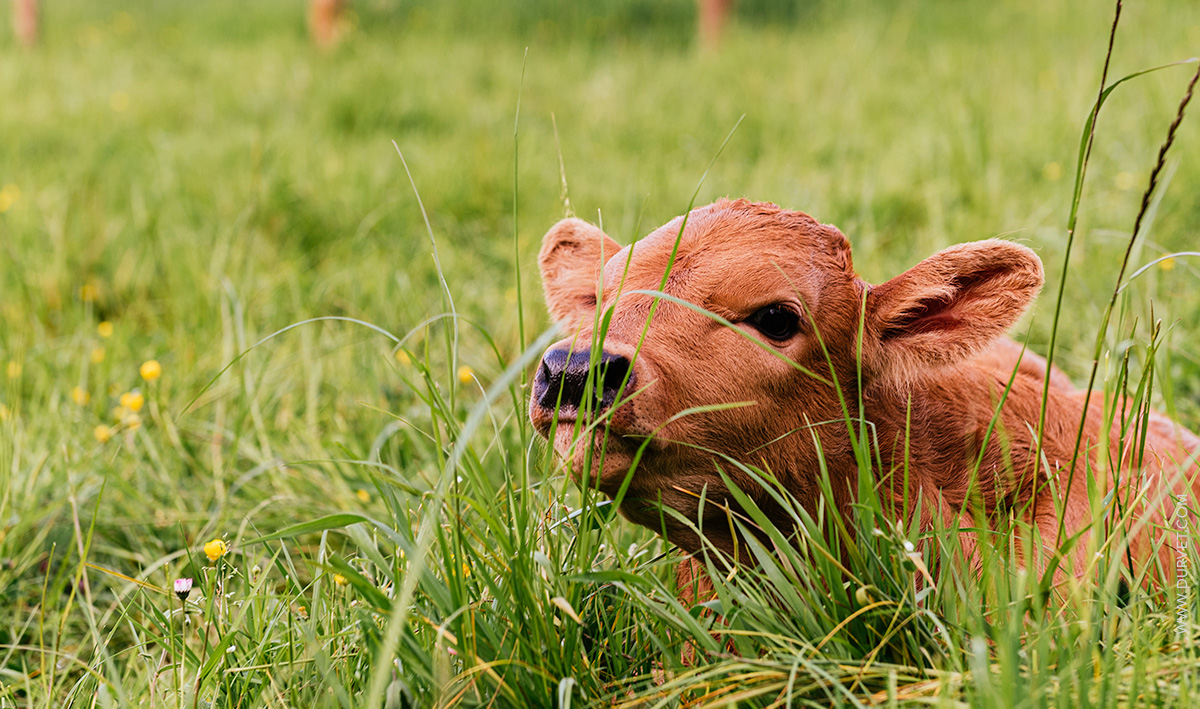
The calf is here. Now the clock is ticking. The first few hours of a calf’s life are very important to make sure it has a strong start. Being sure you have a plan will make those first steps easier. From getting the calf breathing and nursing to keeping an eye out for problems, here are a few things to keep in mind when the next calf hits the ground.
First Things First, Is the Calf Breathing?
Most of the time, calving happens when you aren’t there to see it. That is why regular checks are important as calving gets closer, so you can have eyes on the calf as soon as possible.
When a calf hits the ground, it is usually wet, slick, and covered in mucus. Calves often just lie flat on the ground for a few minutes as it adjusts to life.
If a calf is born completely sealed inside the sack and the mother is slow to clean it, you need to quickly tear the membrane away from the calf's nose and mouth to prevent suffocation.
Once you know the calf is breathing, the next question is:
Can It Stand?
Once the calf is breathing, give it a moment to adjust and watch for signs that it is becoming alert and responsive. A healthy newborn should begin moving its head, attempting to lift itself and eventually trying to stand.
A healthy newborn calf should try to stand and nurse shortly after birth. If a calf is weak or isn't getting up, it will need some extra attention. Check for signs of injury or difficulty standing. A cold or weak calf may also need help getting warm and conserving energy.
Try to assist the calf with standing:
- Help support the calf as it gets to its feet.
- Once standing, guide it toward the cow to encourage nursing.
- Check that the calf is suckling and receiving milk.
If the calf remains weak, cannot stand, or isn't nursing, it might need more assistance.

During this time, Check the Mama Too!
The calf isn't the only one that needs to be checked on. Take a moment to make sure the cow is recovering normally and is accepting the calf.
Sometimes the calf is standing but the mama isn’t accepting it or showing normal maternal behavior. In this situation, you might have to separate the cow and calf from the herd and keep a closer eye on them if their connection is struggling so they can get acquainted. This is especially important for heifers as first-time mothers.
If the cow isn’t allowing the calf to nurse, you may need to assist. Depending on the situation, safely restraining the cow, like in a chute, may allow the calf an opportunity to find the udder and nurse.
If the mama cow still decides to reject the calf, you will need to consider the next steps for the calf to get the nutrition and care it needs. If available, another cow that has lost a calf may be able to accept the calf as a foster calf. If that isn't an option, bottle feeding or another appropriate feeding method may be necessary.
Colostrum: One of the First Priorities
Colostrum is one of the most important things a newborn calf receives. Newborn calves are born with very little circulating antibody protection, so getting adequate colostrum soon after birth is critical. The calf should be encouraged to nurse as soon as possible, and it's important to make sure the calf is actually suckling not just standing near the cow.
Be sure to not just assume the calf has nursed. Check it.
If a calf is standing but isn't nursing, first make sure it is healthy enough to suckle. You can help guide the calf to the cow's teat and give it time to find the udder. If the calf still isn't nursing or the cow isn't providing enough colostrum, having a backup plan is important.
Dura-Start™ 50 and Dura-Start™ 100 are colostrum products formulated to provide newborn calves with nutritional and immune support when adequate colostrum from the mother is unavailable or insufficient. Having a colostrum supplement or replacer on hand before calving season gets busy can help you be prepared when a calf needs additional support.
Always follow the directions on the product label and talk with your veterinarian if you're unsure how to proceed.
If You Have to Bottle Feed
If your calf ends up needing to be bottle fed, be prepared that it isn’t just a cuddle session! Bottle feeding a calf is a commitment and a chore that takes time and consistency.
Depending on the milk replacer and feeding directions you choose, you will end up feeding the calf multiple times per day. Keeping a consistent feeding schedule is important because calves thrive on routine too!
Choosing the Right Milk Replacer Matters
Not all milk replacers are formulated the same, so take the time to read the label and understand what you're feeding. Look at the source and type or protein, as well as the levels of nutrients such as protein, fiber, and fat. It is also important to look at what vitamins, minerals and other additives are included. Choose a product that is designed to meet the needs of the calf and fits your feeding program. When in doubt, do your research and talk with your veterinarian about what is right for your calf.
Watch the Calf, Not Just the Bottle
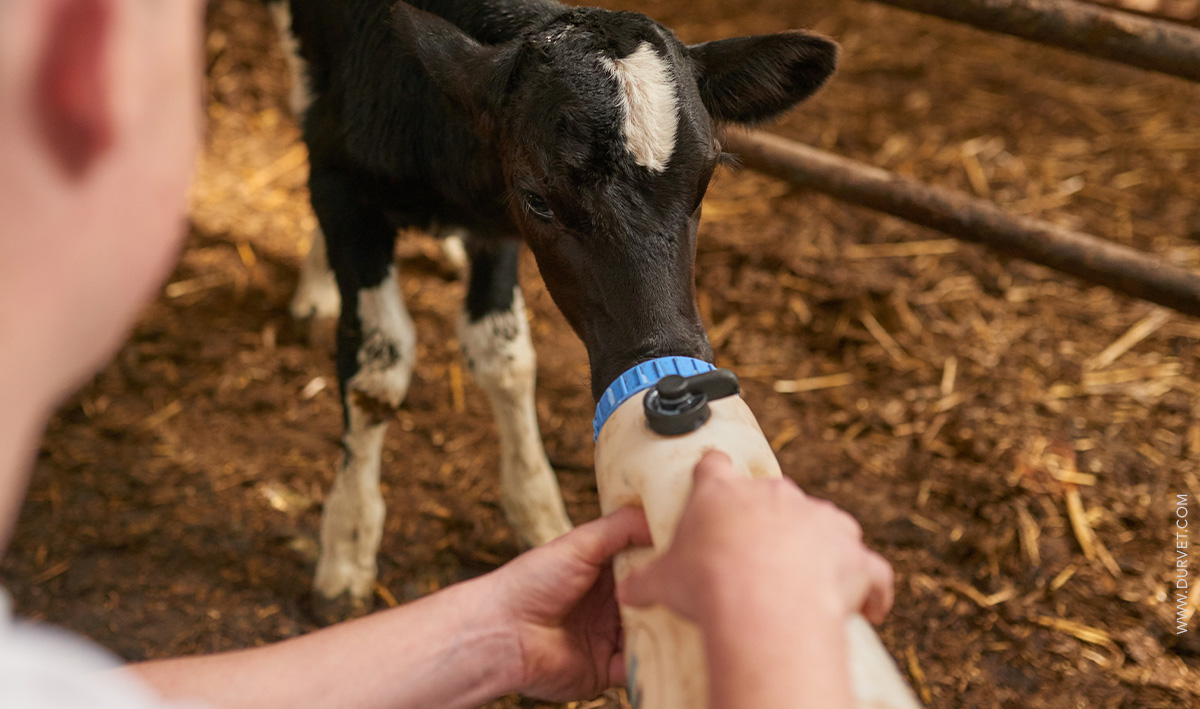
If you are feeding from a bottle or pail, make sure your calf is alert and able to suck. Let the calf suck at its own pace and don't rush the feeding. If you force milk into the calf’s mouth, it could increase the risk of aspiration.
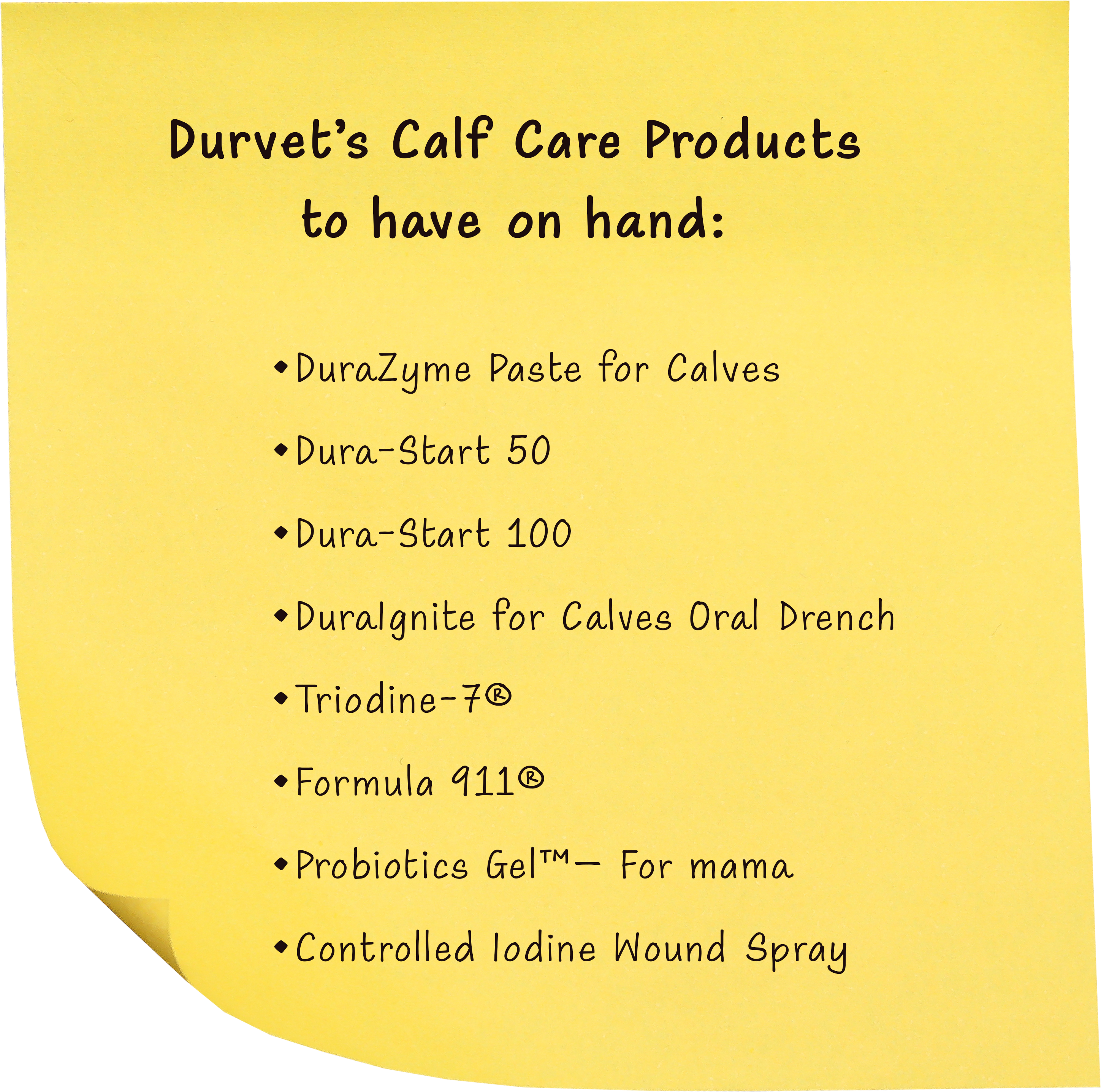
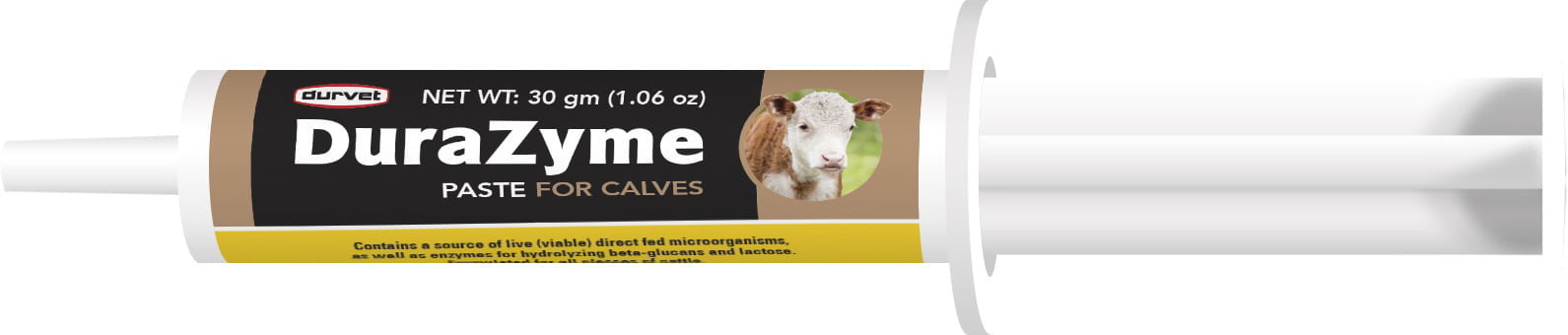
Pay attention to how much the calf is eating and how it is acting. A calf that suddenly stops eating, becomes lethargic, or develops scours may need additional attention. Depending on the calf's needs, products such as DuraZyme™ Paste, DuraIgnite™ for Calves Oral Drench and DuraLyte™ Calf can be part of your calf-care plan.
Bottle feeding can be a lot of work, but staying consistent matters. Keep a routine, follow your feeding program and pay attention to the calf. You'll quickly learn what is normal for your bottle calf and when something seems off.
Keep an Eye on Scours
Scours is severe diarrhea for calves. It is a problem that can sneak up and take a turn for the worse if it is not carefully watched. Scours can cause dehydration and a loss of electrolytes, which can get dangerous.
Watch for signs such as:
- Loose or watery manure
- Weakness or lethargy
- Reduced nursing/feeding
- Dehydration
- A calf that is less active than normal
Common causes for scours is:
- Viruses, bacteria, and protozoa
- Poor colostrum intake, dirty environments, or stress from cold water
- Drinking too much milk at once or irregular feeding
One of the biggest concerns when a calf has scours is dehydration. Electrolyte supplements can help replace fluids and electrolytes lost through diarrhea and provide supportive care. The sooner you recognize the signs and respond, the better.
If a calf is severely dehydrated, weak, unable to stand or isn't nursing, contact your veterinarian promptly.
Don't Forget the Umbilical Cord
The umbilical cord is another area that deserves attention after birth that can easily get overlooked.
Keep your calf’s environment clean and dry, and follow your herd-health plan for umbilical care. Check the navel during the first few days for swelling, discharge, or other signs of infection. Apply Controlled Iodine Wound Spray as a topical antiseptic to help protect the navel and reduce the risk of infection.
If you notice anything concerning, contact your veterinarian.
Keep an Eye on the Weather - Keep It Dry and Clean
Weather can change quickly and a newborn calf that is wet and exposed to cold, wind or rain can become chilled quickly. Make sure calves have access to a clean, dry area where they can get away from wet or windy conditions. Clean, dry bedding and a good calving environment can go a long way to keep a calf comfortable and protected from potential health threats.
Be Ready Before the Next Calf Hits the Ground
Having appropriate calf-care supplies on hand before calving season can help you respond when a calf needs additional support. From colostrum replacers and supplements to milk replacers, electrolytes, and other calf-care products, Durvet has options to help be prepared for calving season.
Refrences:
https://www.ralcoagriculture.com/blog/calving-in-cows-complete-guide-to-a-successful-birth-newborn-care/?srsltid=AU7gw4XL2DJgWr46OT0_6p2uwe-hvzmqIcVaRLcxt5RifLpMQst8kNNu
https://extension.usu.edu/animalhealth/research/raising-a-bottle-fed-calf
https://www.ourcoop.com/news/livestock-news/5-survival-tips-for-bottle-feeding-calves
https://extension.oregonstate.edu/catalog/em-8977-scours-beef-calves-causes-treatments
https://www.drovers.com/news/beef-production/treating-calf-scours
https://www.tractorsupply.com/tsc/cms/life-out-here/the-barn/livestock/guide-to-beef-calves

 BACK TO MAIN BLOG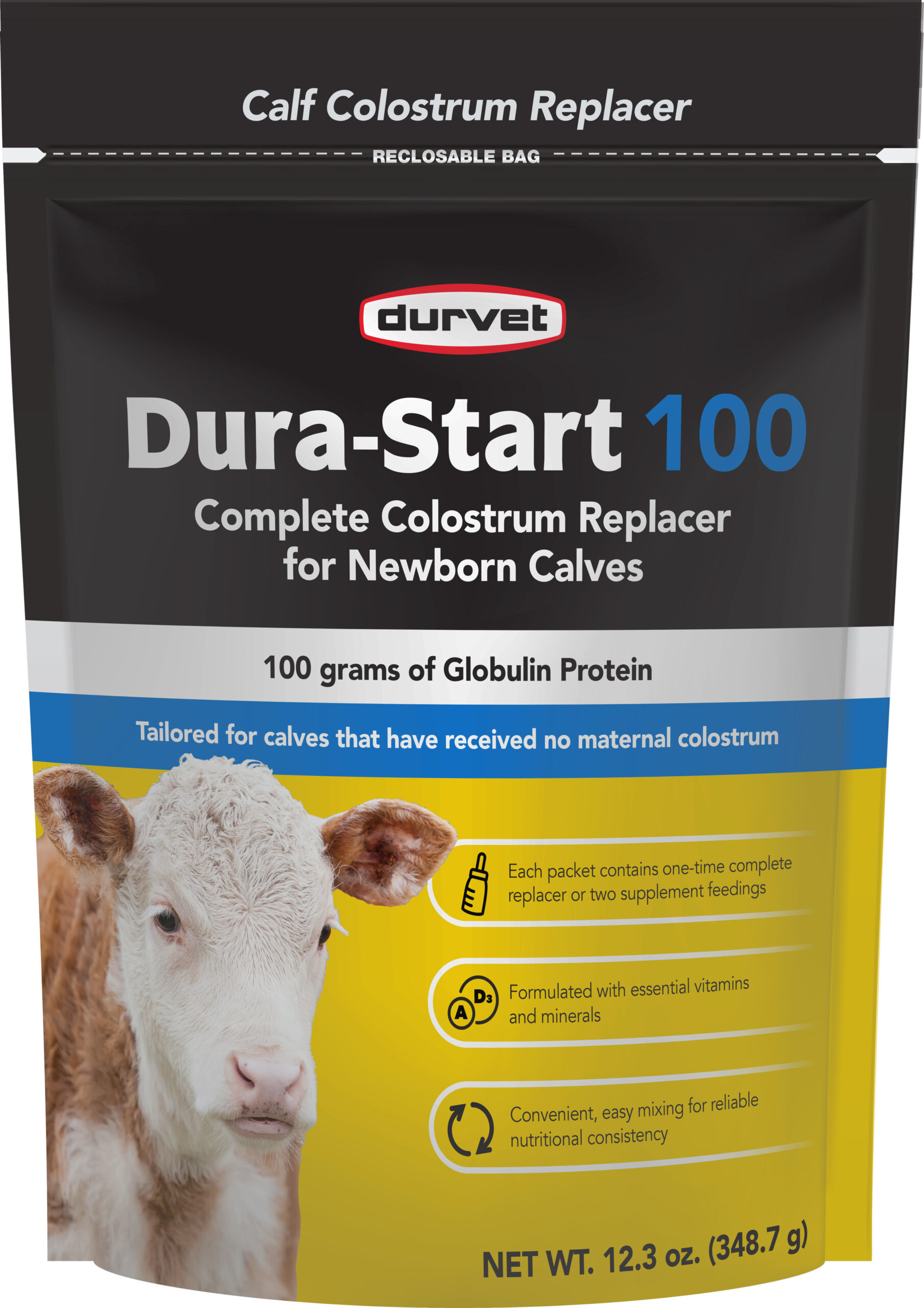
Comment