
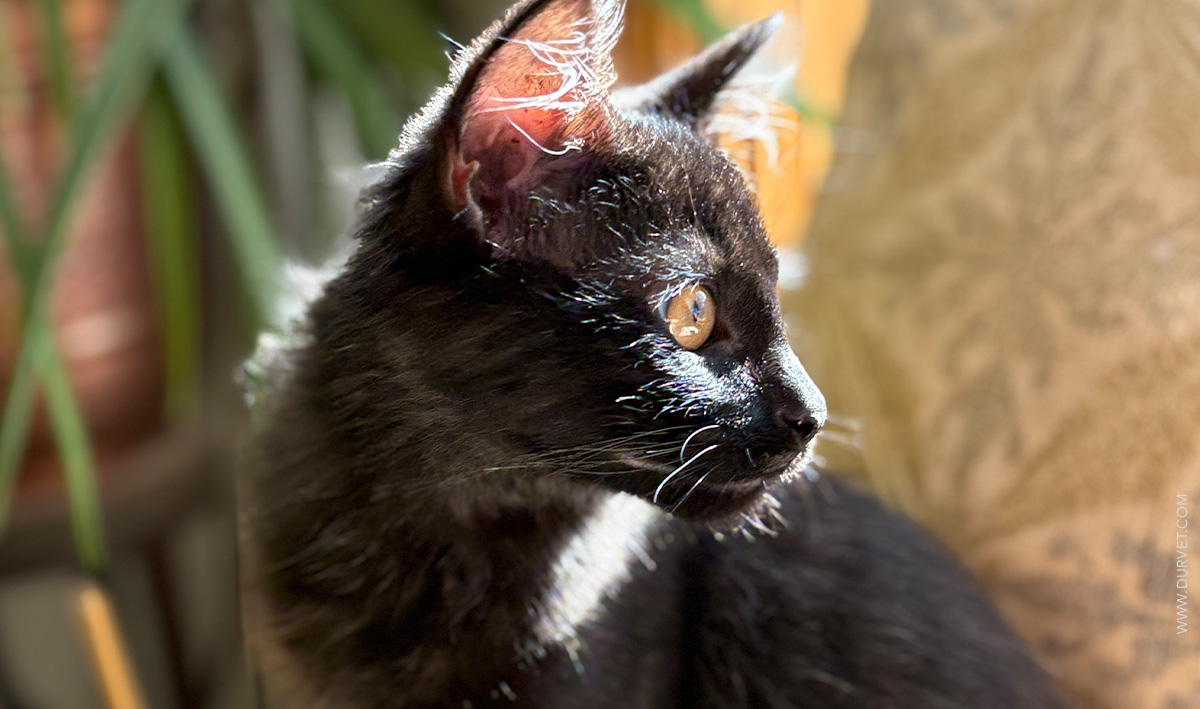
Nearly six years ago, I lost my cat Grim. He had been with me for 13 years.
Grim wasn’t just a pet. He was there through college, my first apartment, wedding planning stress, and even the early days of becoming a parent. I grew up with cats, but Grim was the first one who was truly mine. Losing him left a big hole, and I wasn’t ready to adopt another cat for a long time.
By the time I started to feel ready again, COVID had arrived and we welcomed our second child. The timing just never seemed right—until this past year.
After a lot of reflection and a few conversations with my husband, we decided it was finally time to add to our family of four. Just before the holidays in 2025, we adopted a kitten named Spookie from a local shelter.
Even though I had years of experience with cats, it had been almost twenty years since I had cared for a kitten. We had gotten rid of our old supplies and were starting from scratch, which meant refreshing my knowledge on what a new kitten really needs.
If you're thinking about adopting a kitten, here are a few important things to know.
Establish a Veterinarian
One of the first steps after adoption should be scheduling a visit with your veterinarian.
Shelters often provide basic veterinary care before adoption, but it’s still important to establish care with the vet you plan to use long term. This visit allows them to review records, perform an exam, and run any additional tests if needed.
In Spookie’s case, that first appointment uncovered a microscopic intestinal parasite called Giardia. While the shelter had dewormed him several times, Giardia requires a different treatment. Our vet caught it with a fecal test and treated it quickly with prescription medication.
Even if your kitten has already been seen by a vet through the shelter, a follow-up visit is the best way to catch issues early.
Consider Pet Insurance
Pet insurance was something I didn’t have when Grim was alive, but it was something I decided to add for Spookie.
Veterinary care has advanced tremendously, which is great for our pets, but it can also mean higher costs if an emergency happens. Today, there are many insurance options available at different price points.
The plan we chose doesn’t cover routine checkups, but it does help if something serious happens. For me, that peace of mind makes it easier to focus on what matters most—making the best care decisions for my pet.
Start with the Basic Supplies
Before bringing your kitten home, make sure you have the essentials ready:
- Litter box and litter
- Food and water bowls
- Kitten food
- Grooming supplies (brush and nail trimmers)
- Scratching posts or cat trees
- Toys and a comfortable place to sleep
One thing that surprised me was how much litter boxes have improved over the years. This time around, I chose a stainless steel litter box with raised sides to help keep litter contained and reduce odors.
Grooming tools are also important. Even though cats groom themselves, regular brushing helps prevent matting, especially in long-haired cats, and creates great bonding time between you and your kitten.
Starting nail trimming early is also helpful. Indoor cats rely on routine trimming and scratching posts to keep their claws healthy.
Make Time for Play and Stimulation
Cats are natural hunters, and kittens have a lot of energy. Toys, climbing trees, and daily playtime help provide the mental and physical stimulation they need to stay healthy.
Playtime also builds trust between you and your pet. And sometimes you discover something unexpected—like the fact that Spookie plays fetch. Yes, fetch!
Feed a Proper Kitten Diet
Kittens grow quickly, which means their bodies need the right nutrients to support healthy development.
Most veterinarians recommend feeding a diet formulated specifically for kittens during their first year of life. If you decide to change foods, transition slowly by mixing the new food with the current food over several days. Sudden diet changes can upset a kitten’s stomach.
Since Spookie came from a shelter, we kept him on the same food initially before making any changes.
Pet Ownership Is a Journey
Adopting a kitten is exciting, but the first few steps, including establishing veterinary care, preparing your home, and building healthy routines, make a big difference in your kitten’s long-term health.
Spookie didn’t replace Grim. Pets never truly replace the ones who came before them. But bringing him home reminded me how much joy a kitten can bring into a house, and how rewarding it is to start that journey all over again.

 BACK TO MAIN BLOG

Comment